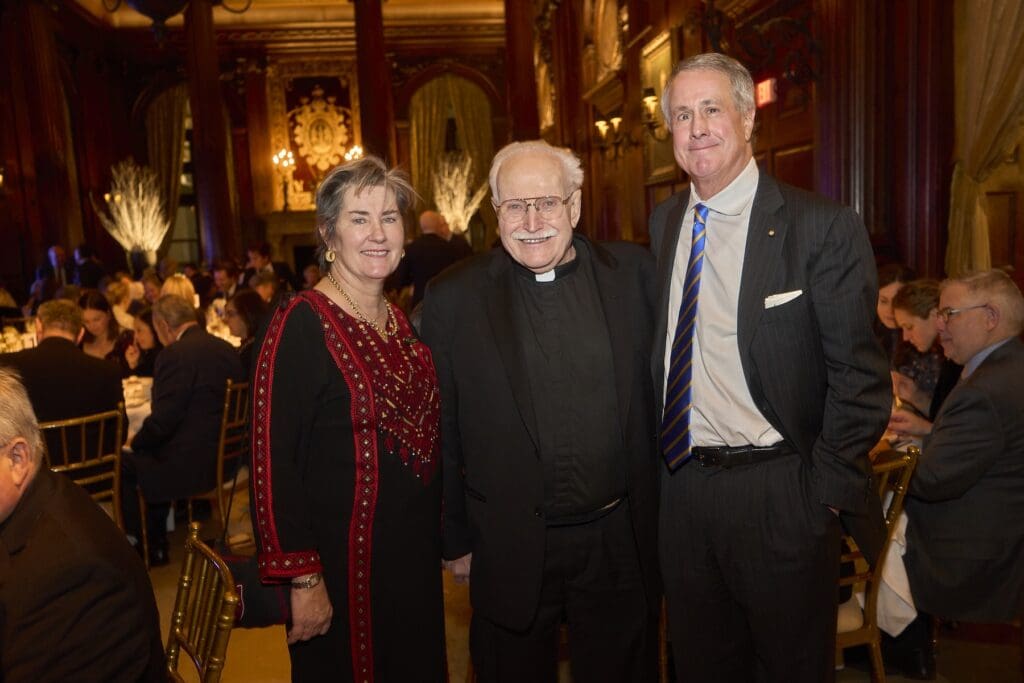
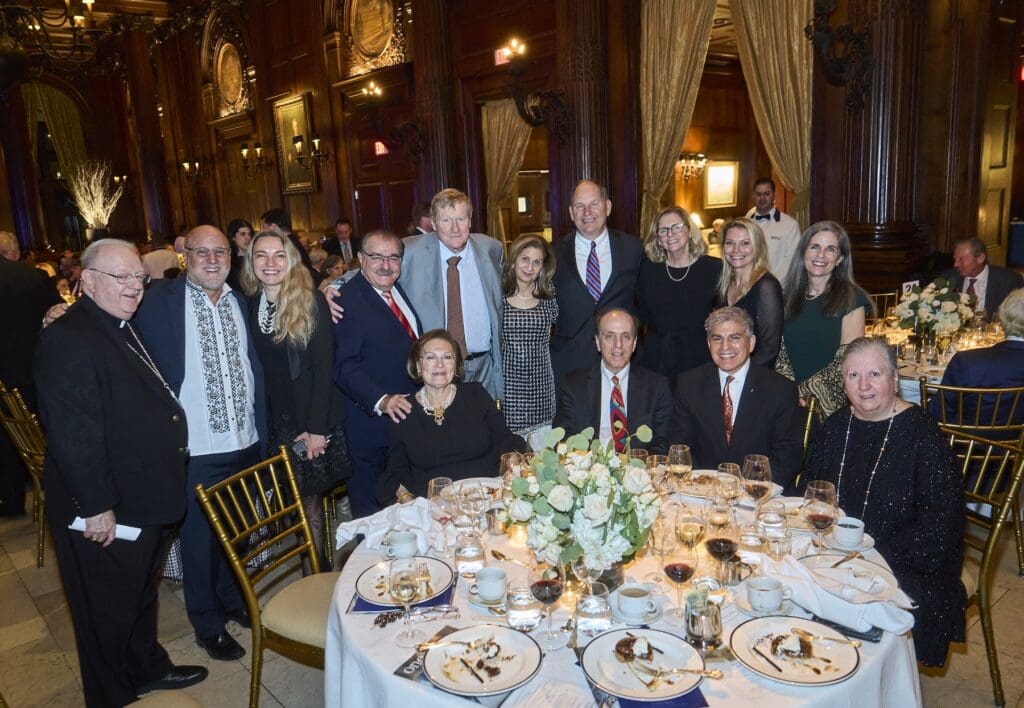
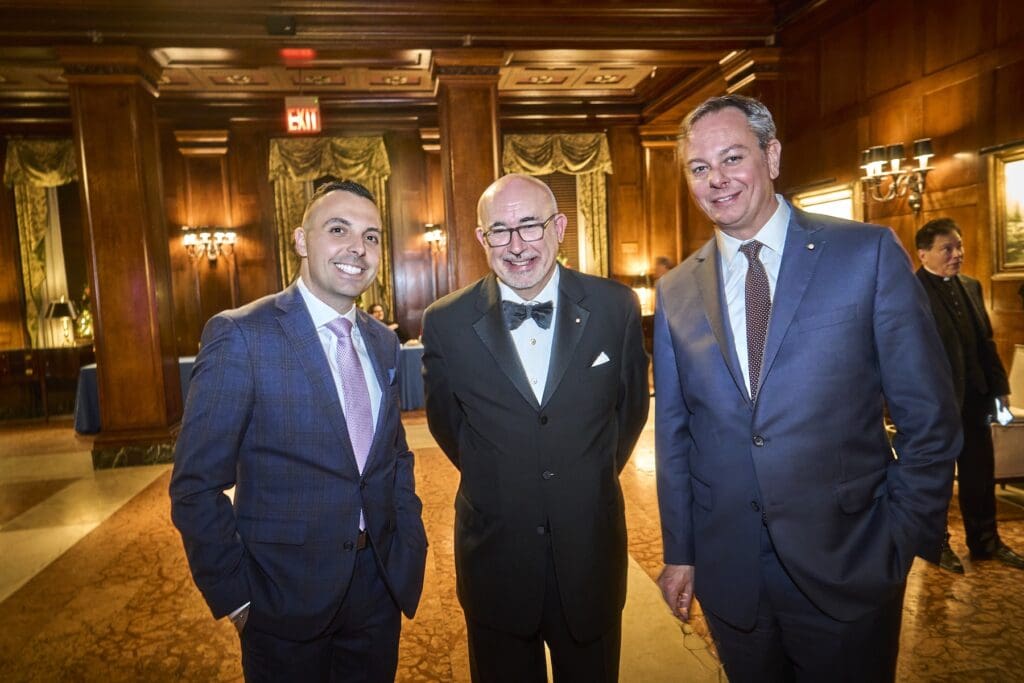
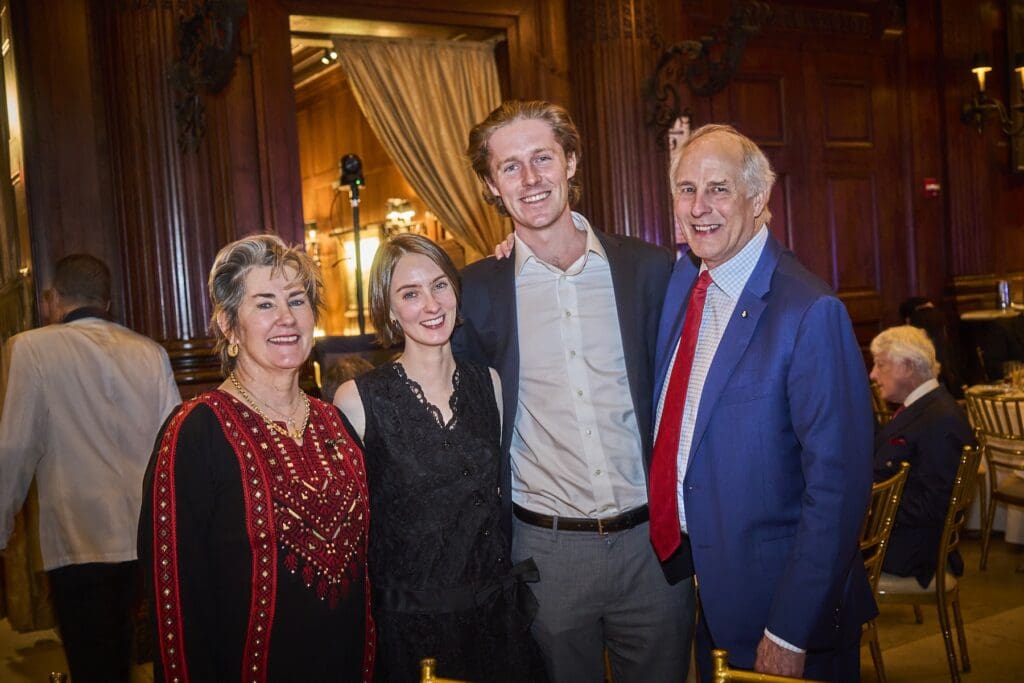
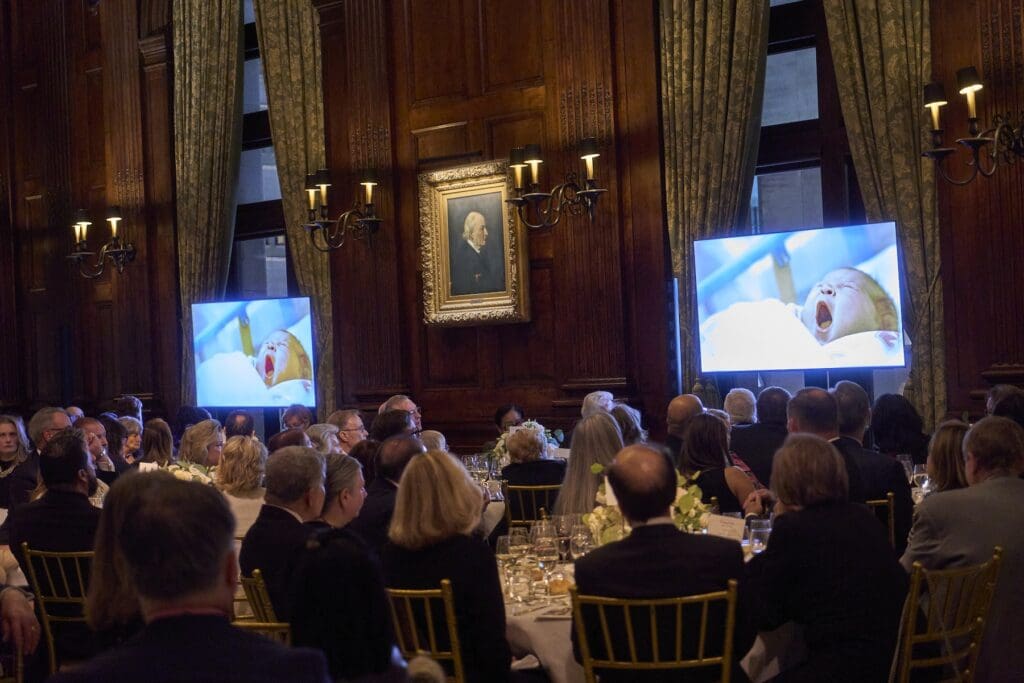
With media focused on Gaza and Ukraine, the world’s attention is drawn away from the West Bank, but it is time for a new paradigm there, said Ambassador Michèle Burke Bowe, recipient of CNEWA’s 2025 Faith and Culture Award.
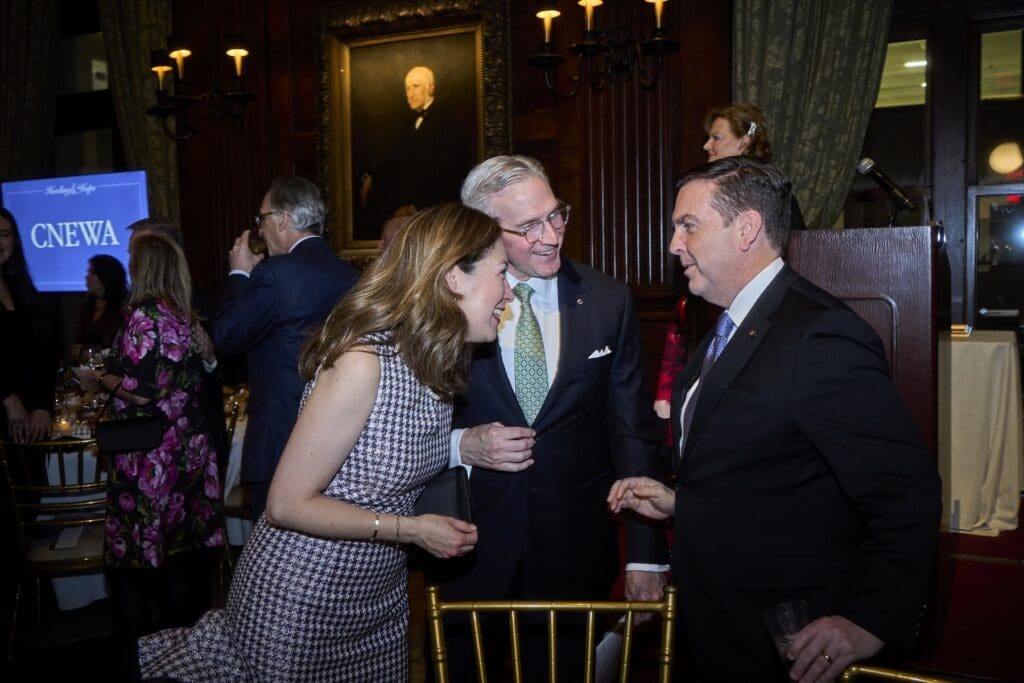
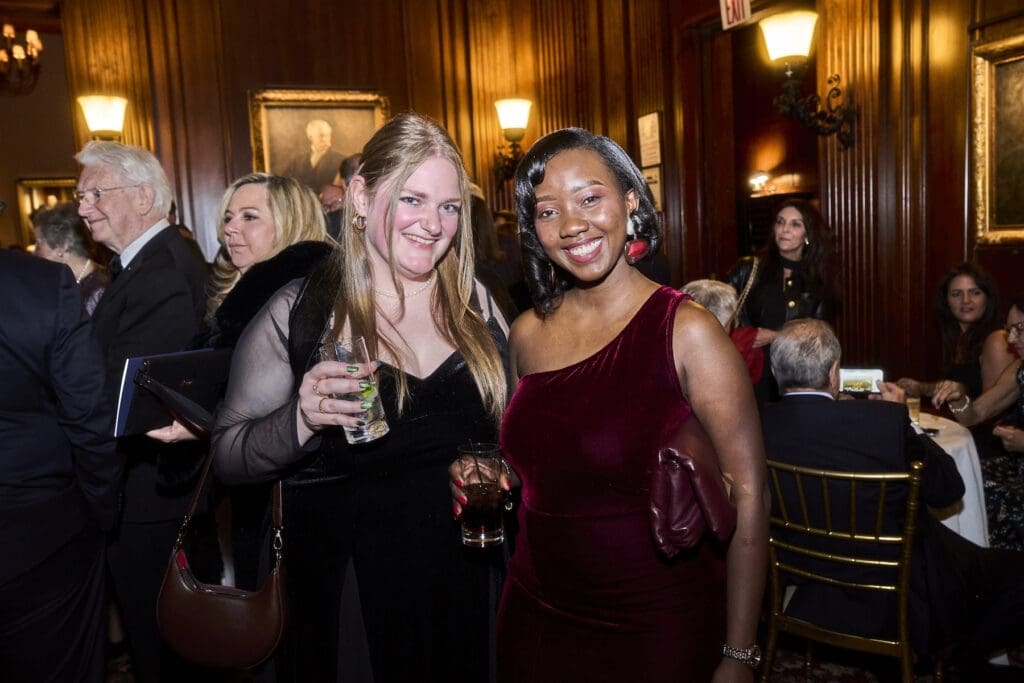
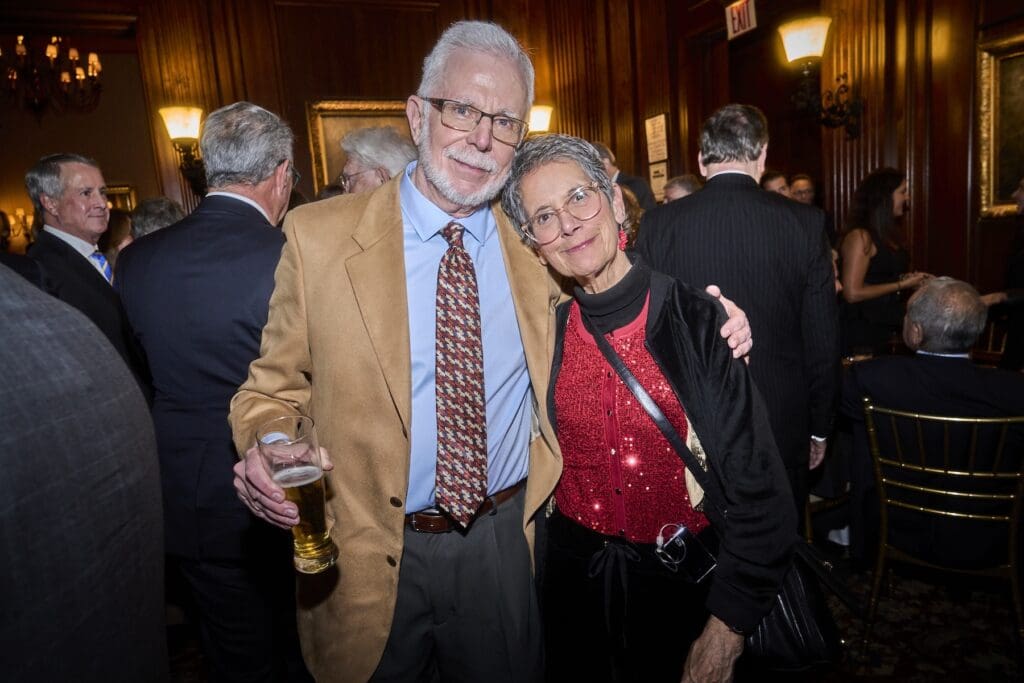
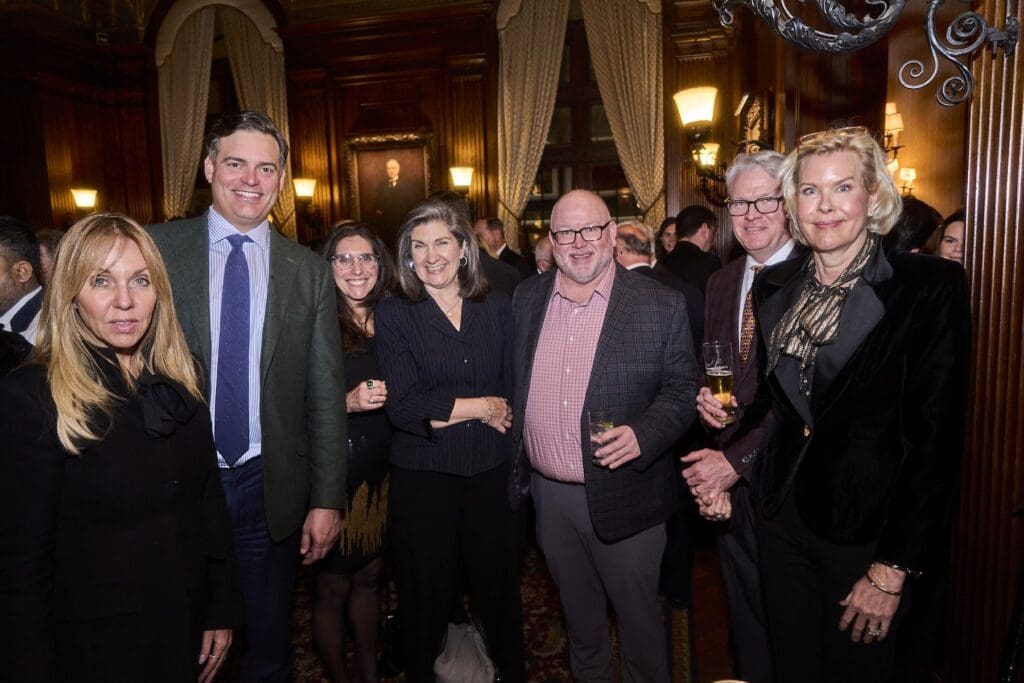
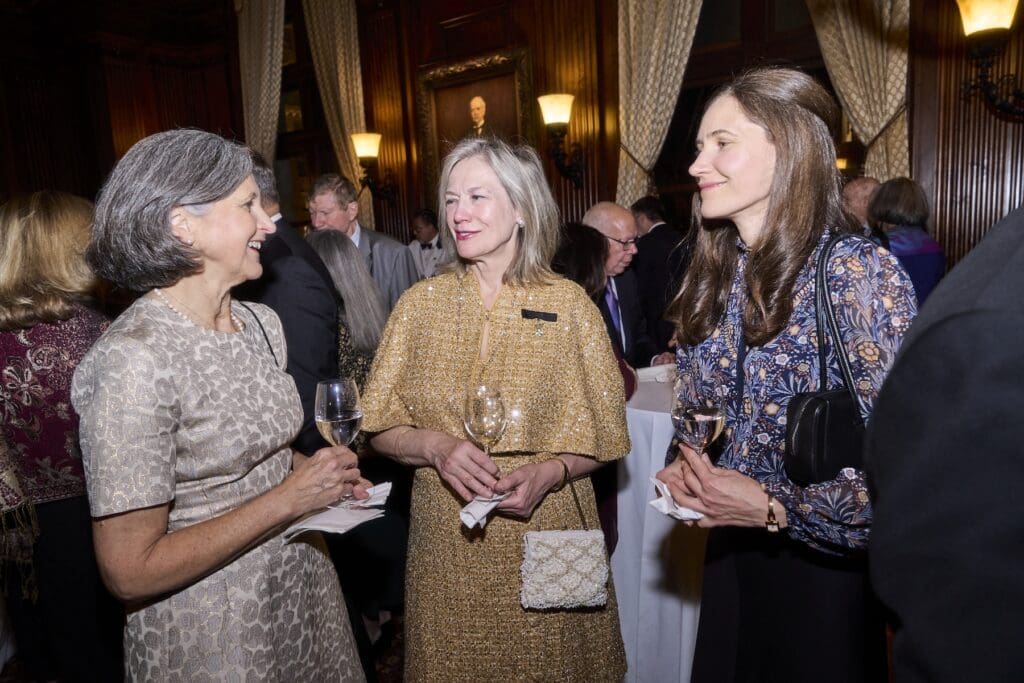
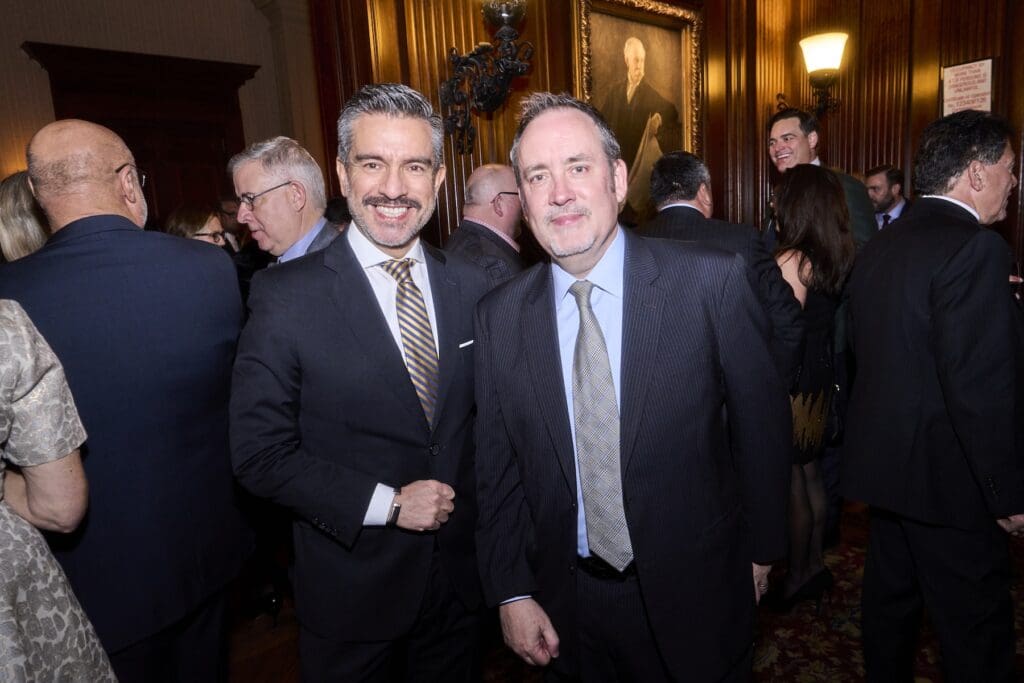
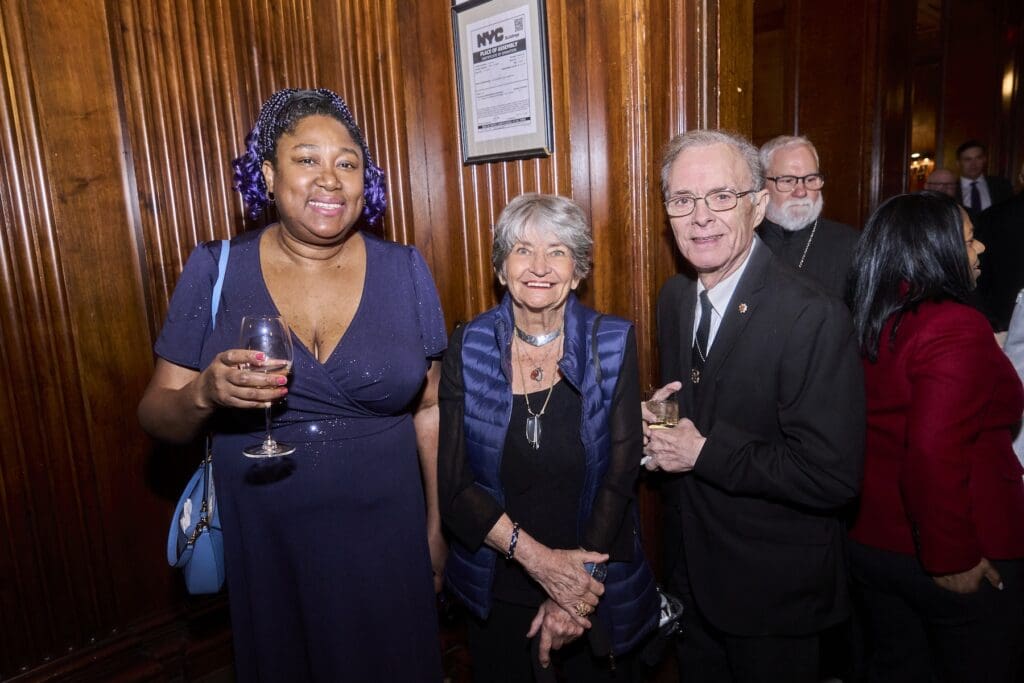
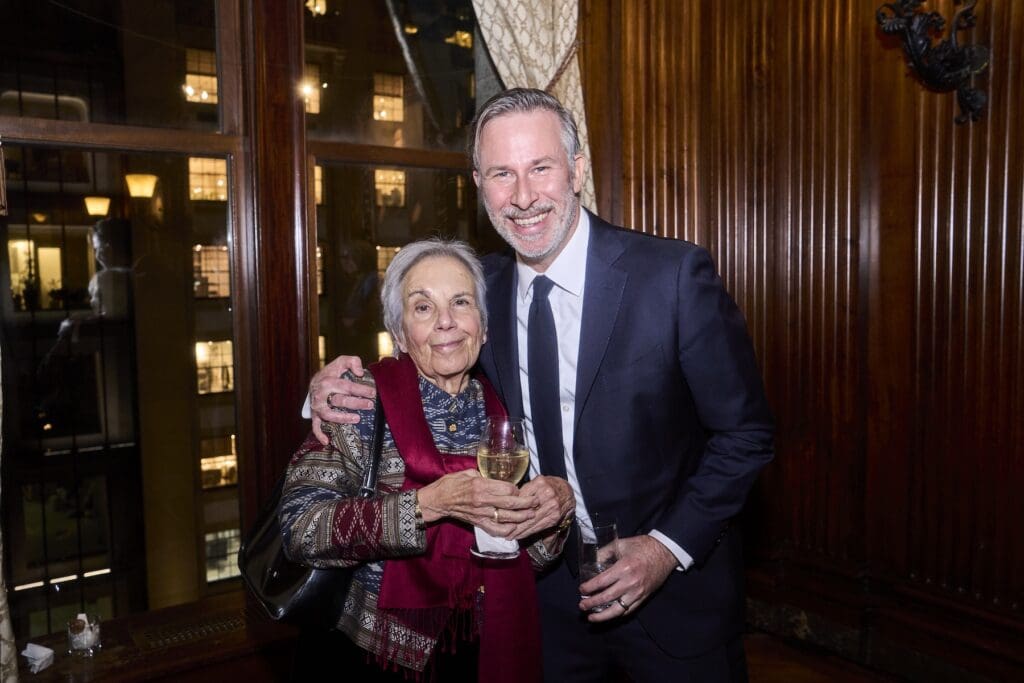
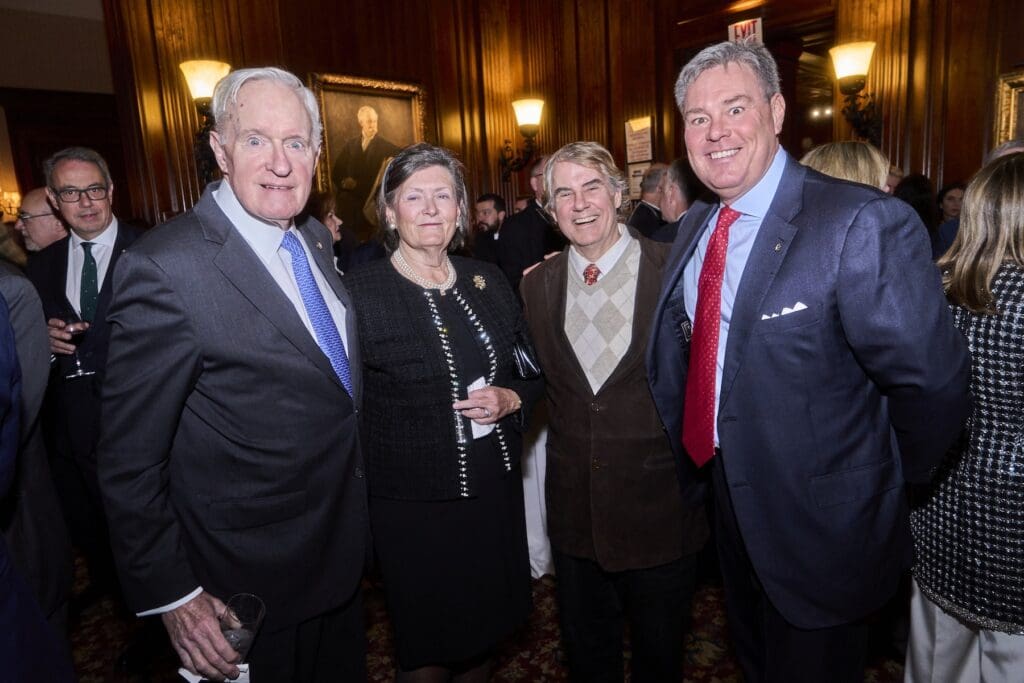
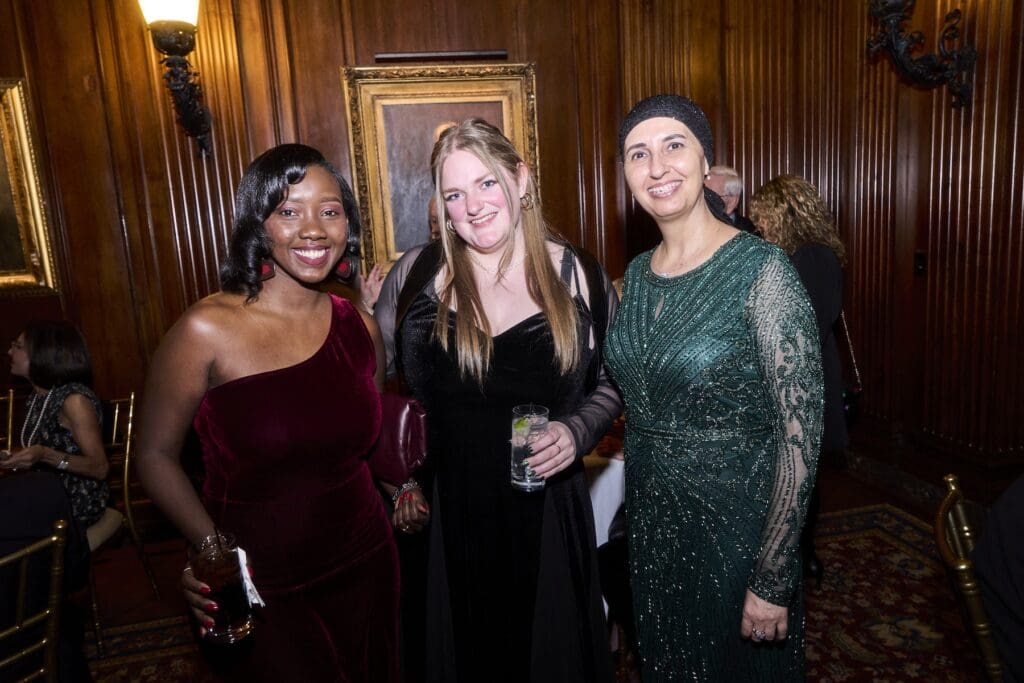
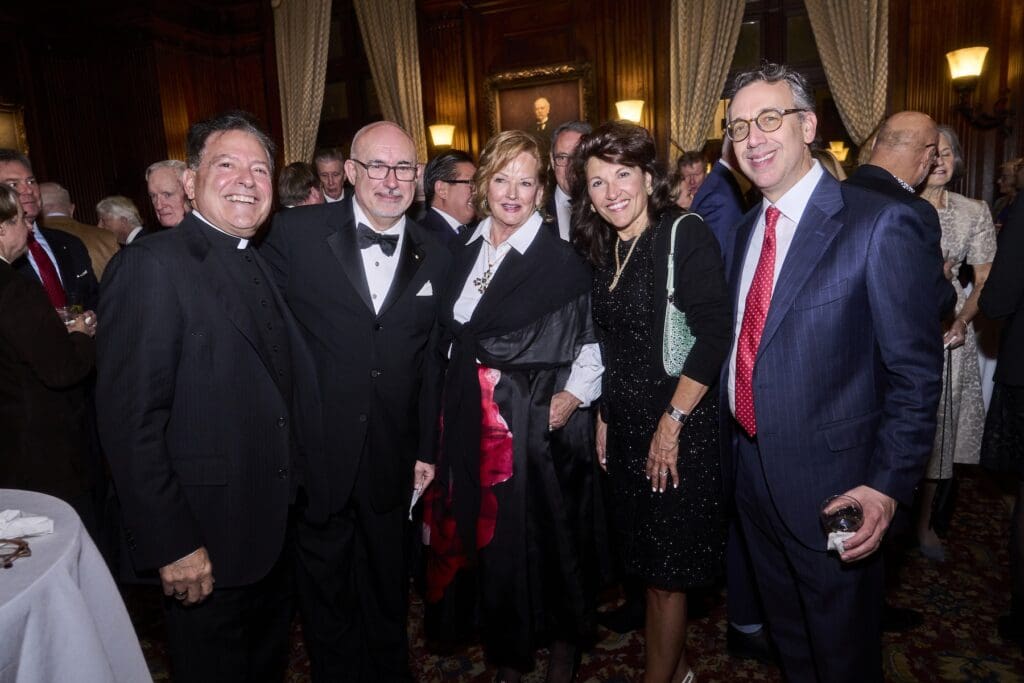
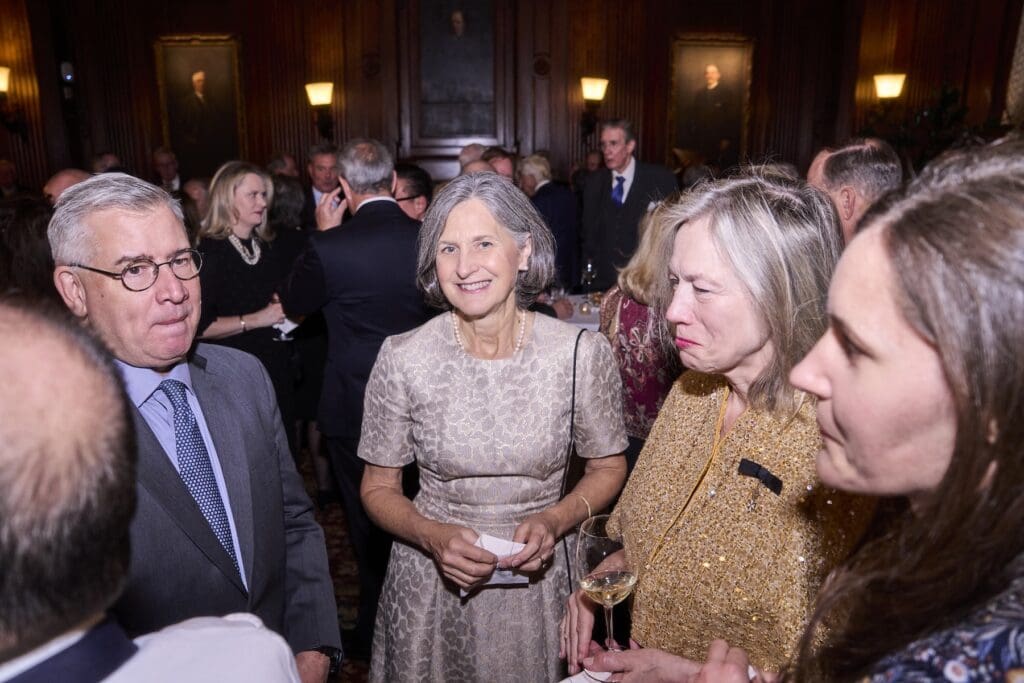
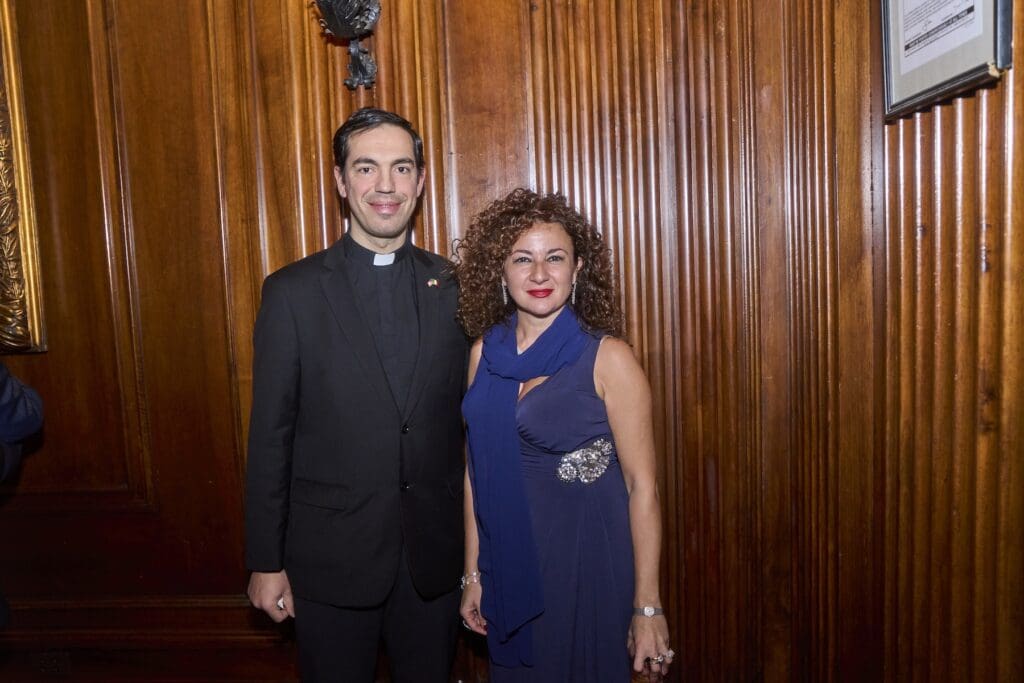
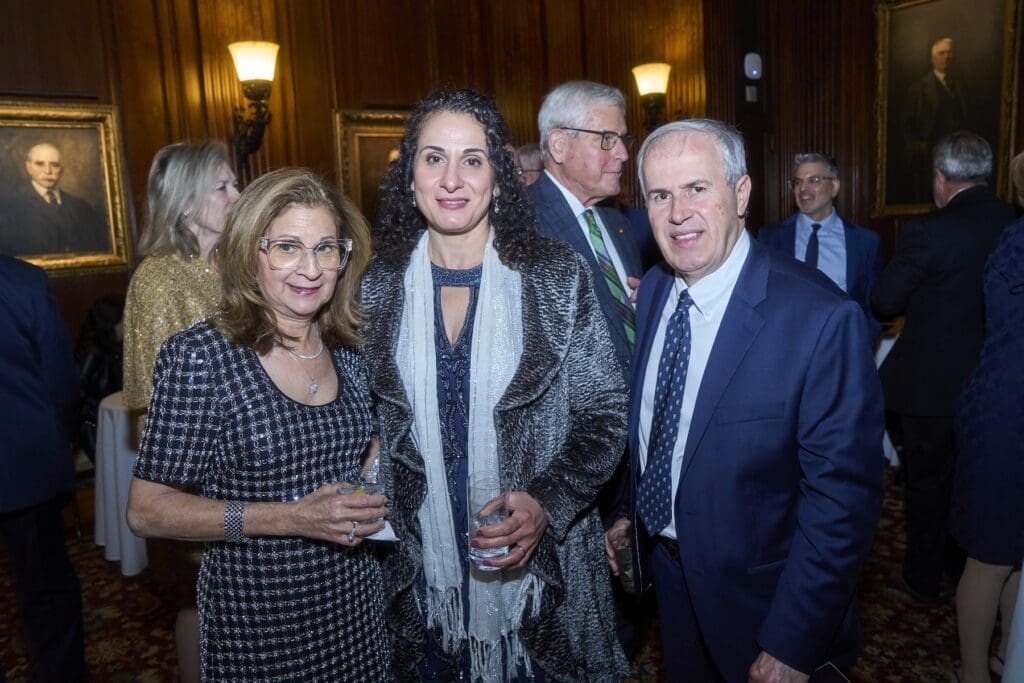
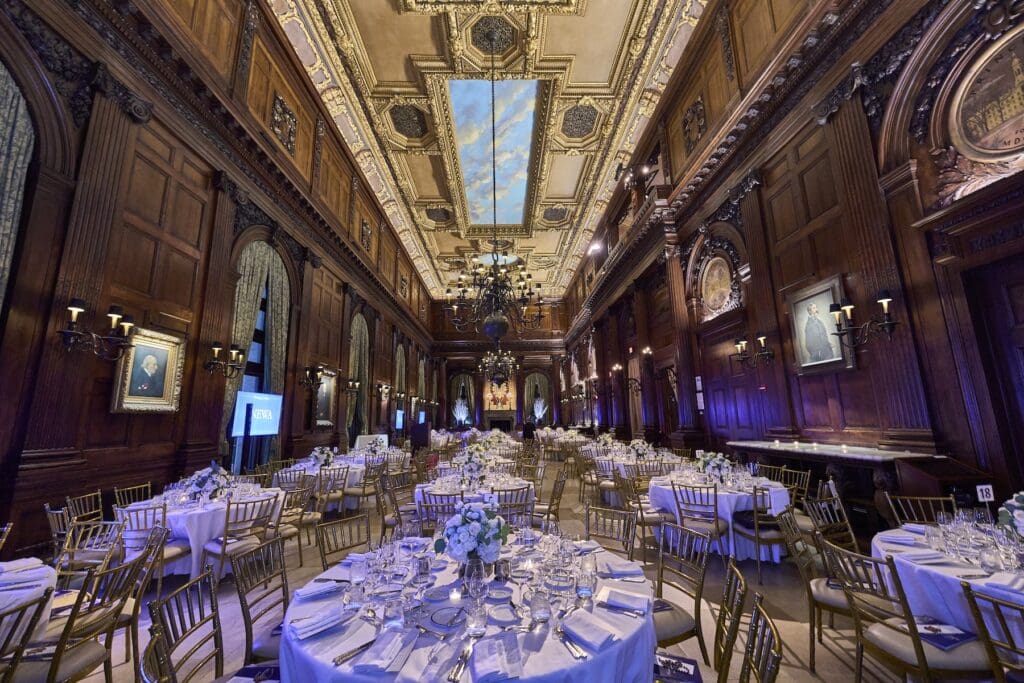
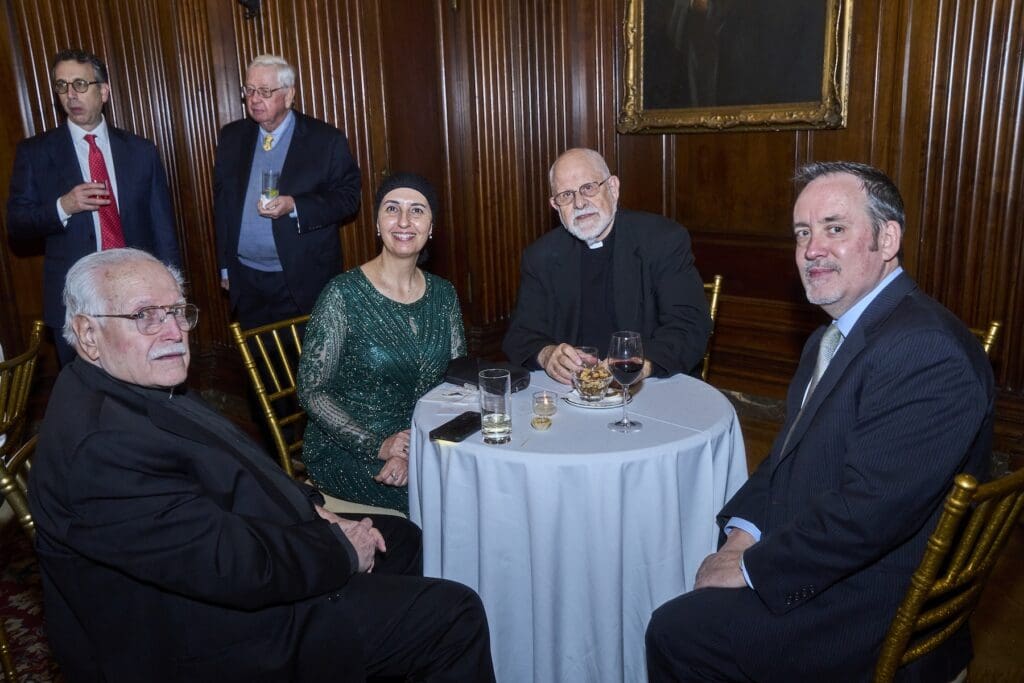
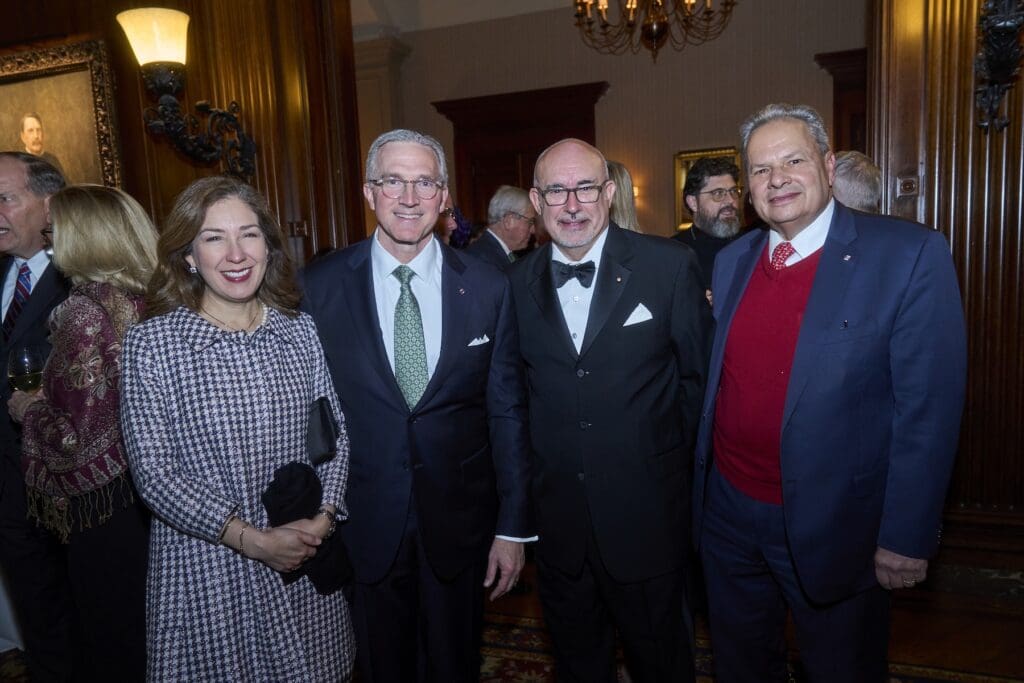
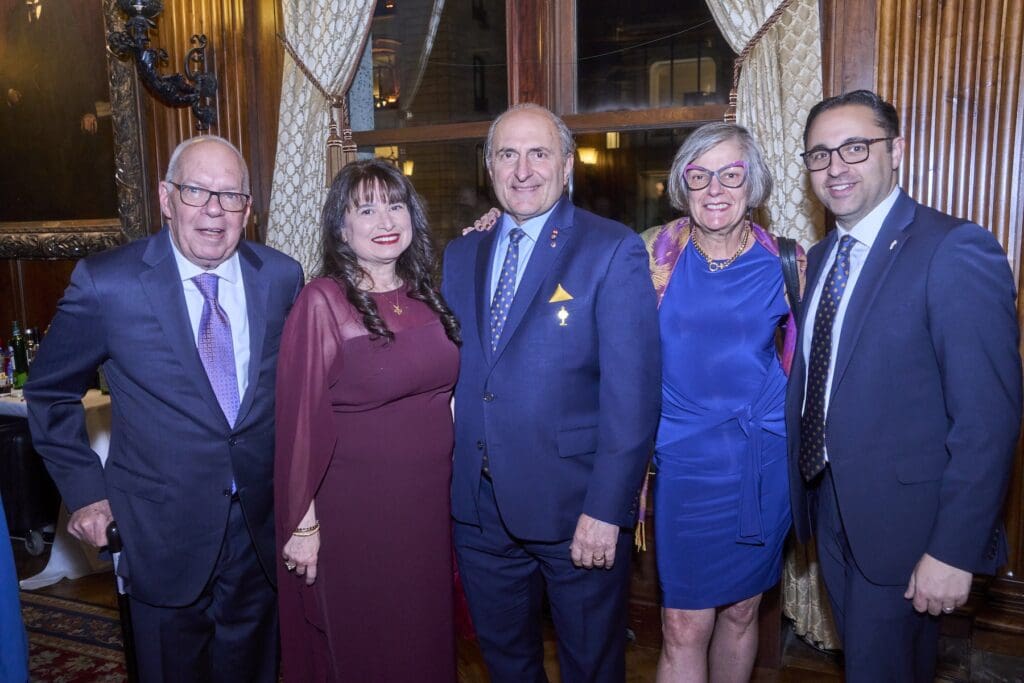
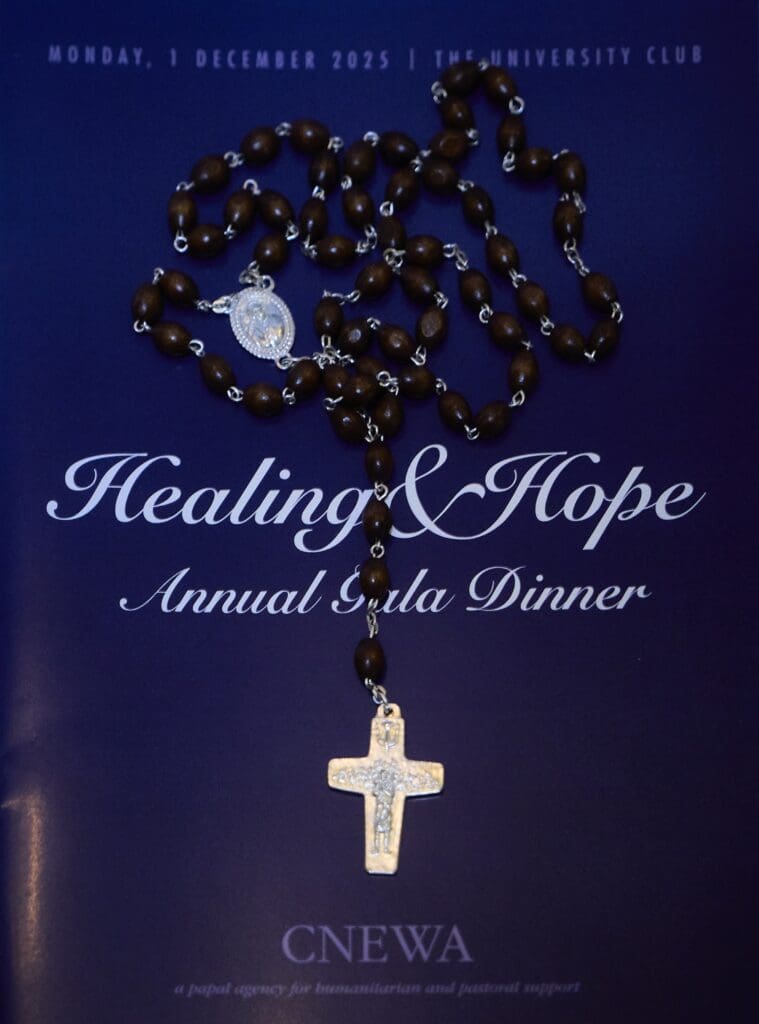
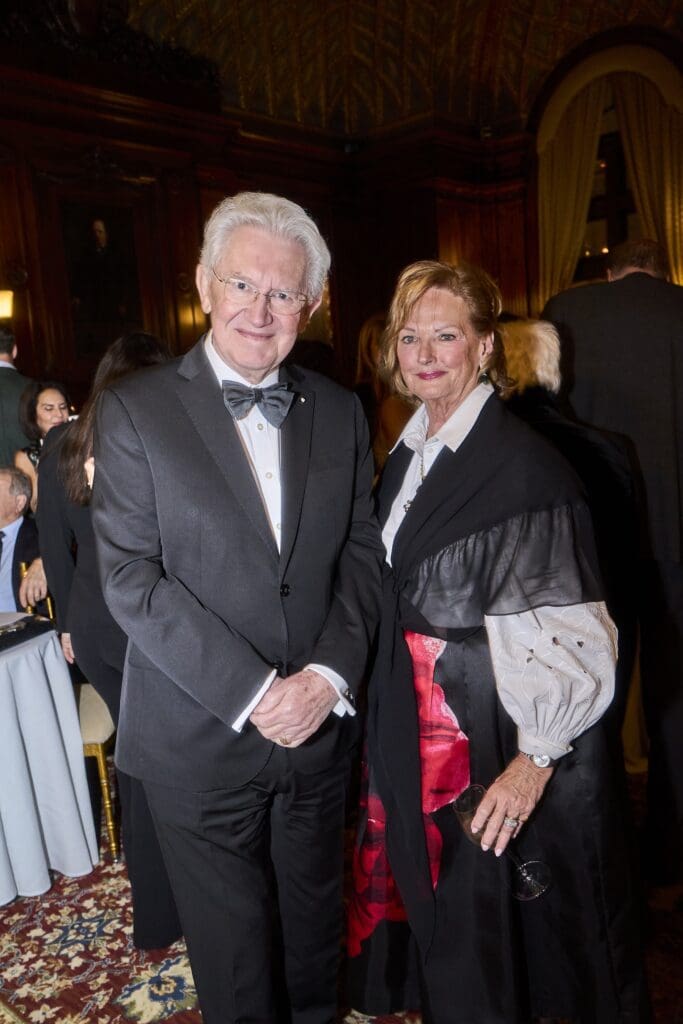
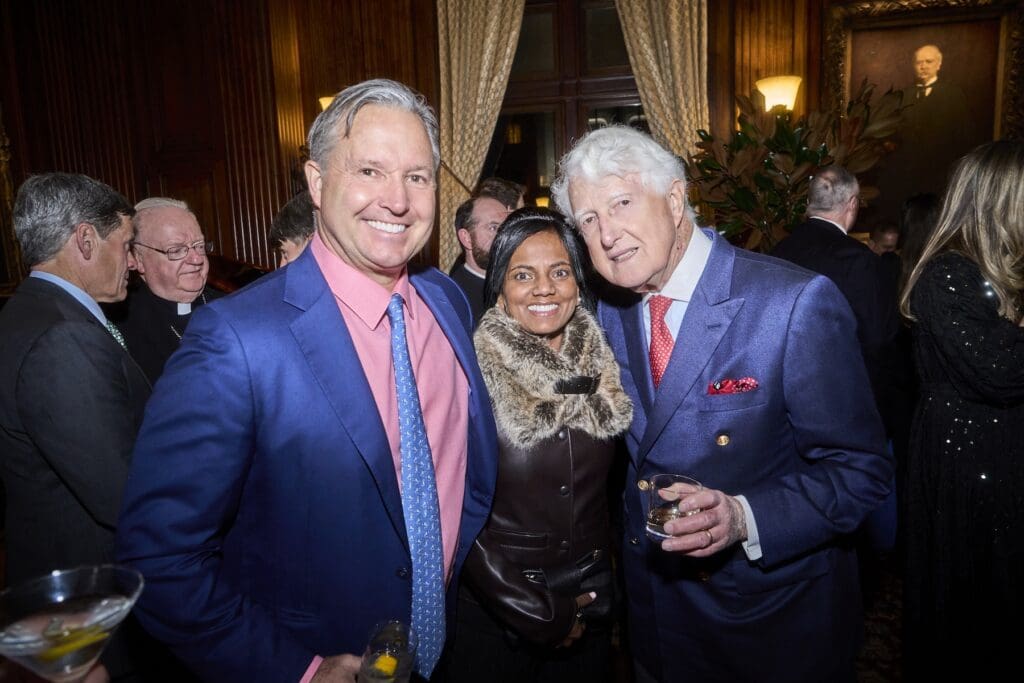
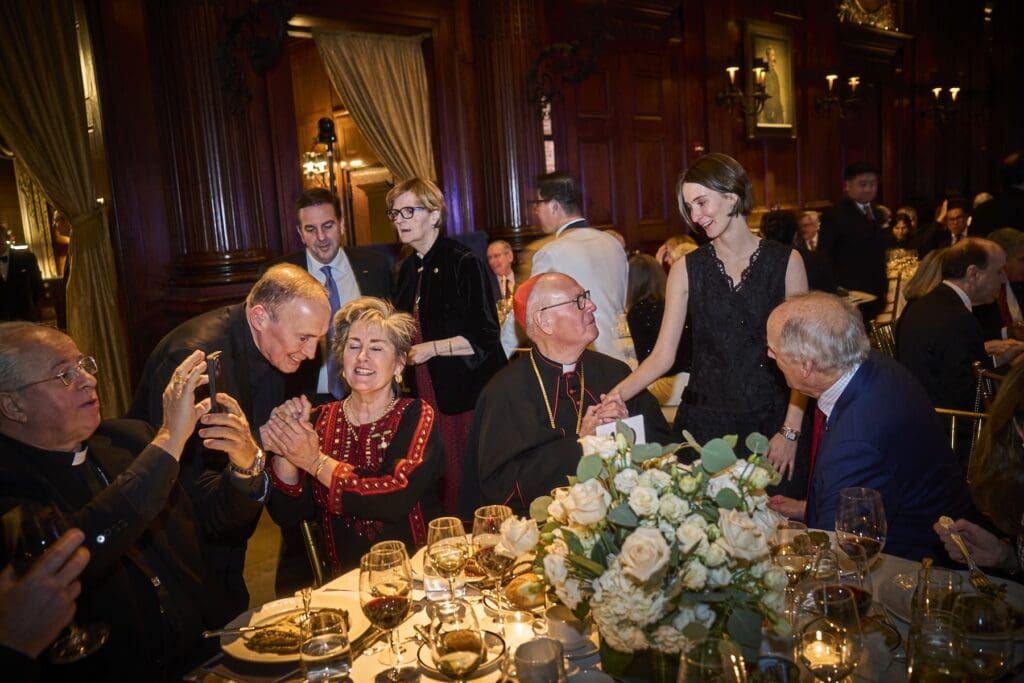
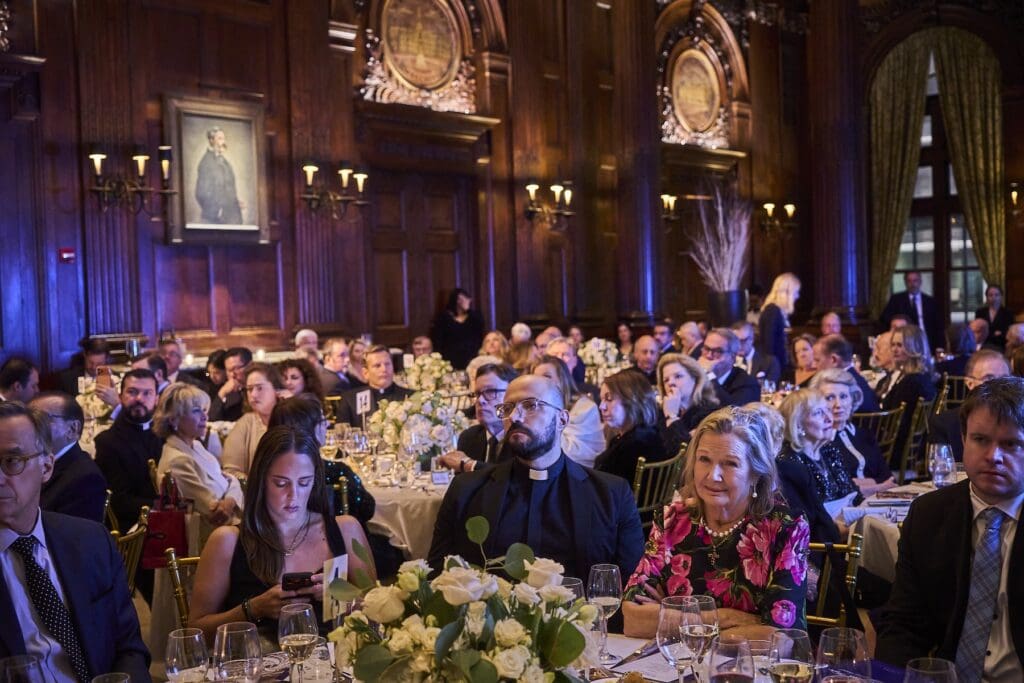
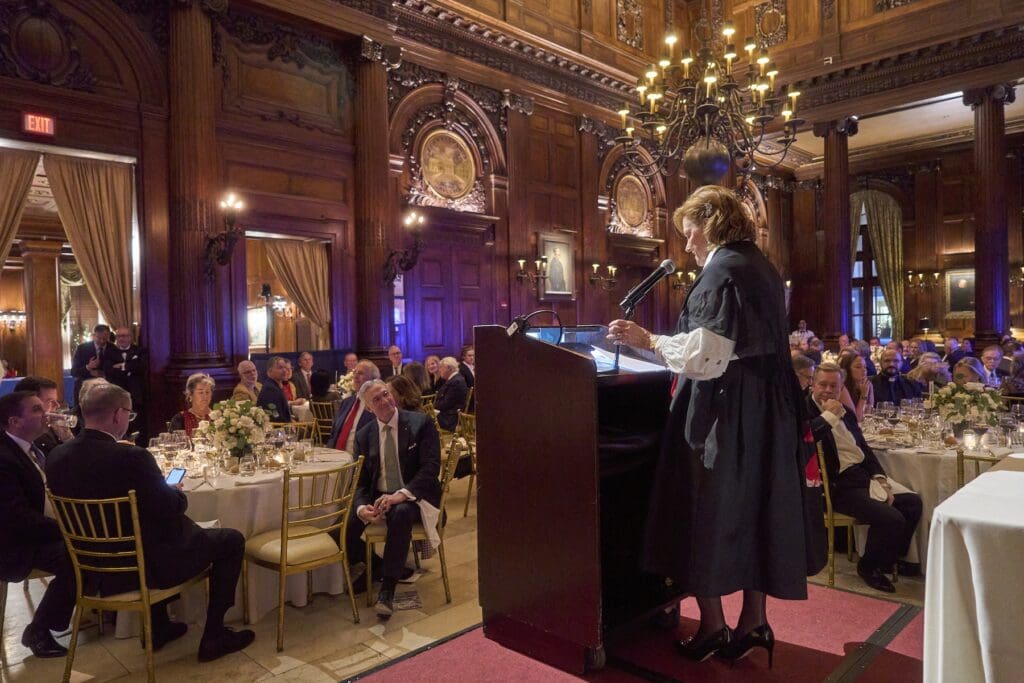
At a New York City gala on 1 December, attended by more than 250 donors and friends of CNEWA, Ms. Bowe urged them to invest in the areas CNEWA serves, including Palestine, where she serves as head of the representative office of the Sovereign Order of Malta and president of the Holy Family Hospital of Bethlehem Foundation.
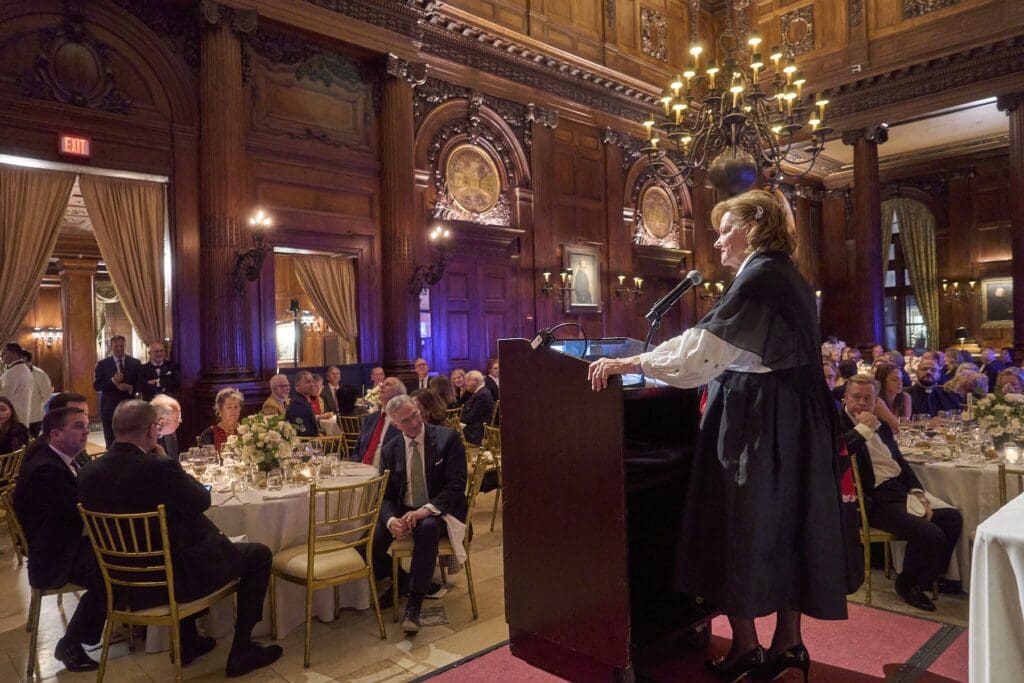
“We must serve our immediate neighbors, and we must put out into the deep and serve our forgotten neighbor who may live continents away,” she told those gathered at the city’s University Club to kick off the centennial of CNEWA. “People in need must depend on their extended families and on church intervention.”
Ms. Bowe received the award in recognition of her committed defense and advocacy of the marginalized and powerless, particularly in the Holy Land. And she said while her comments “could be equally applicable for the Ninevah Plains in Iraq, for Syria, for Lebanon, for Ukraine, for Somalia, Ethiopia,” she focused her comments on the West Bank and Bethlehem.
“Pope Francis and Pope Leo have asked the Christians to remain on their land to sacrifice and not leave the conflict zone, this place which holds the bones of 50 generations of their forefathers. That’s a big ask of people who’ve been without salaries for over two years,” she said.
“I hope that His Holiness Pope Leo asks them again, and then I hope he turns to us, the Christians in the diaspora, to ask us to match the sacrifice of those Palestinians, the very first Christians who have given their pledge to remain,” she added. “Matching their sacrifice means building apartment blocks so the youth can marry and have children. That means funding entrepreneurs to manufacture goods. This highly educated population deserves a chance to put their education to work.”
The evening included a special virtual appearance from Msgr. Peter I. Vaccari, president of CNEWA, who spoke from Lebanon, where he had traveled with Pope Leo XIV, during his three-day pastoral visit, since CNEWA-Pontifical Mission supports programs in the region. Msgr. Vaccari thanked all those in attendance and noted the evening was launching “our centennial year celebration, a key moment for us as we go forward in mission; a key moment as we expand the work we do in the places where we go; and a key moment as we try now to give greater support to those who are so desperately, desperately in need.”
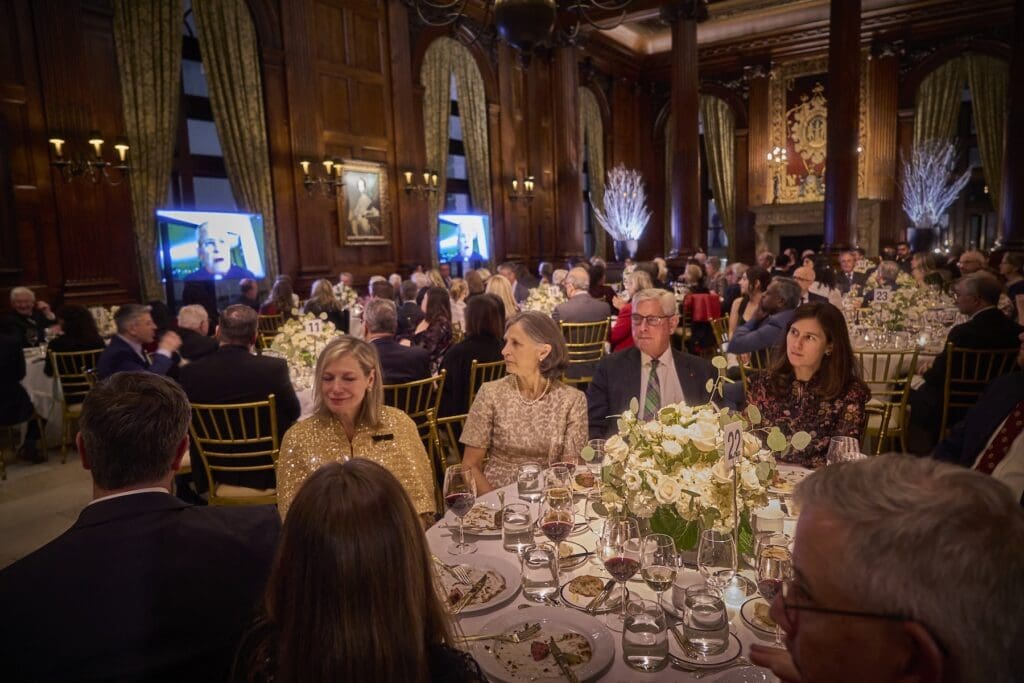
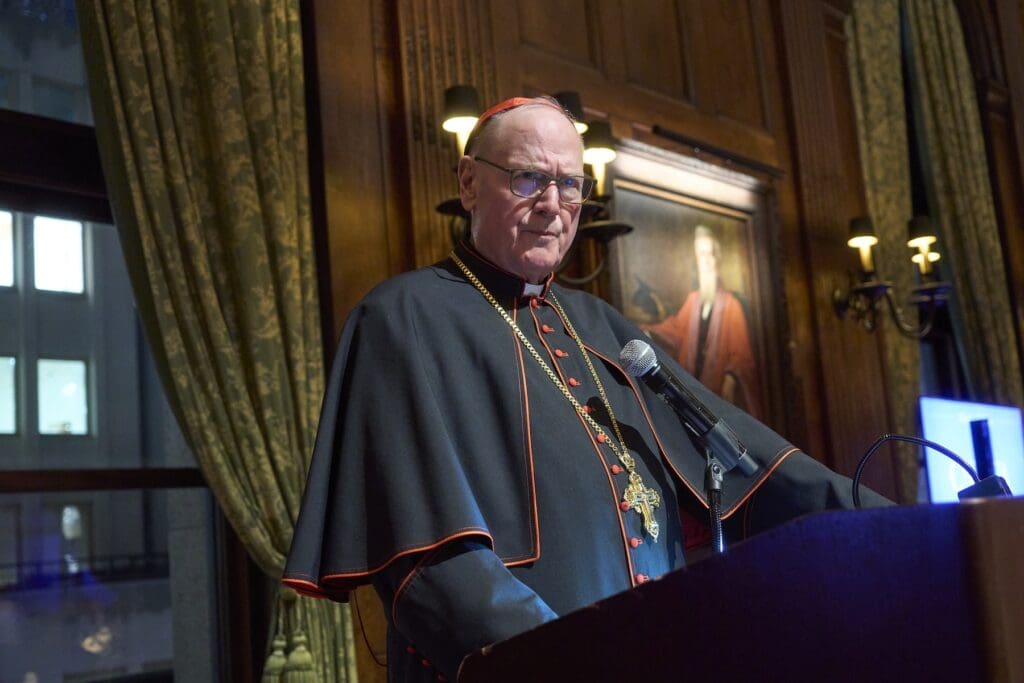
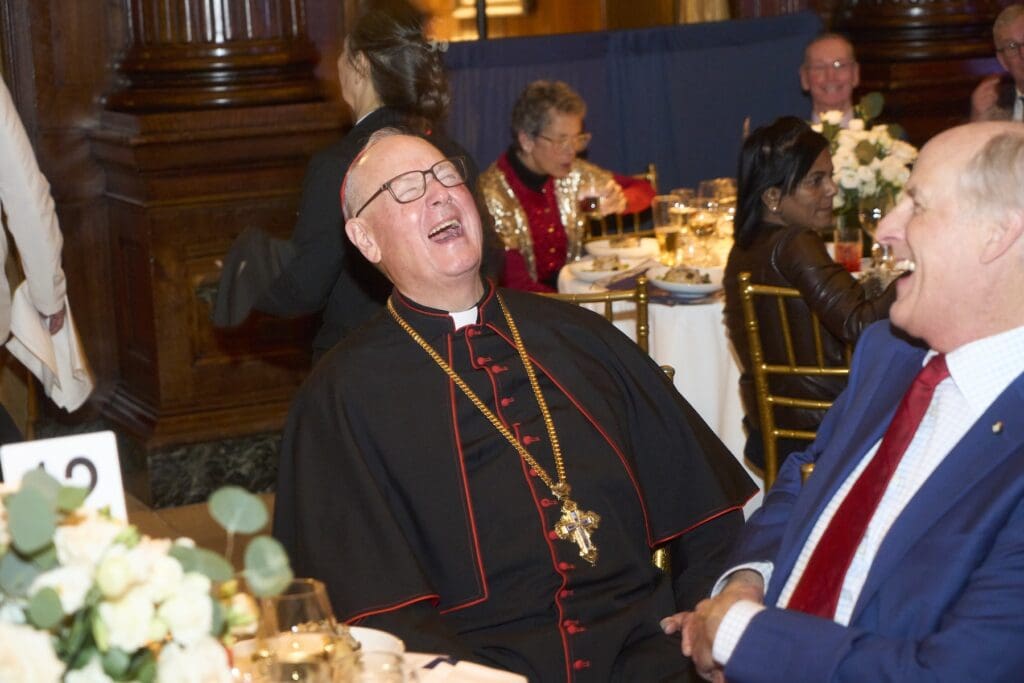
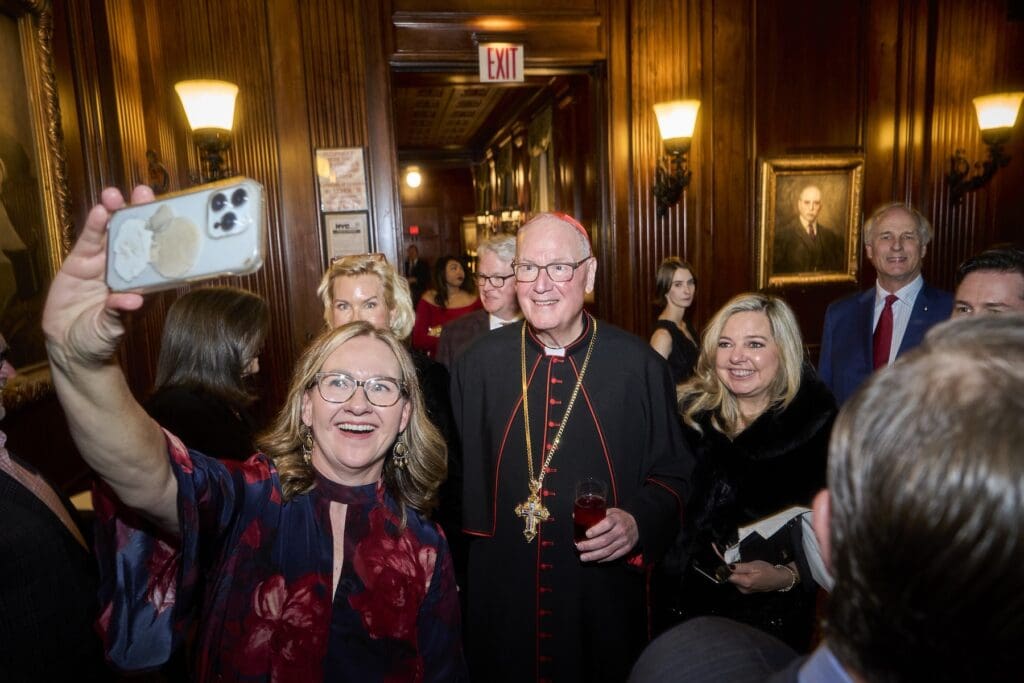
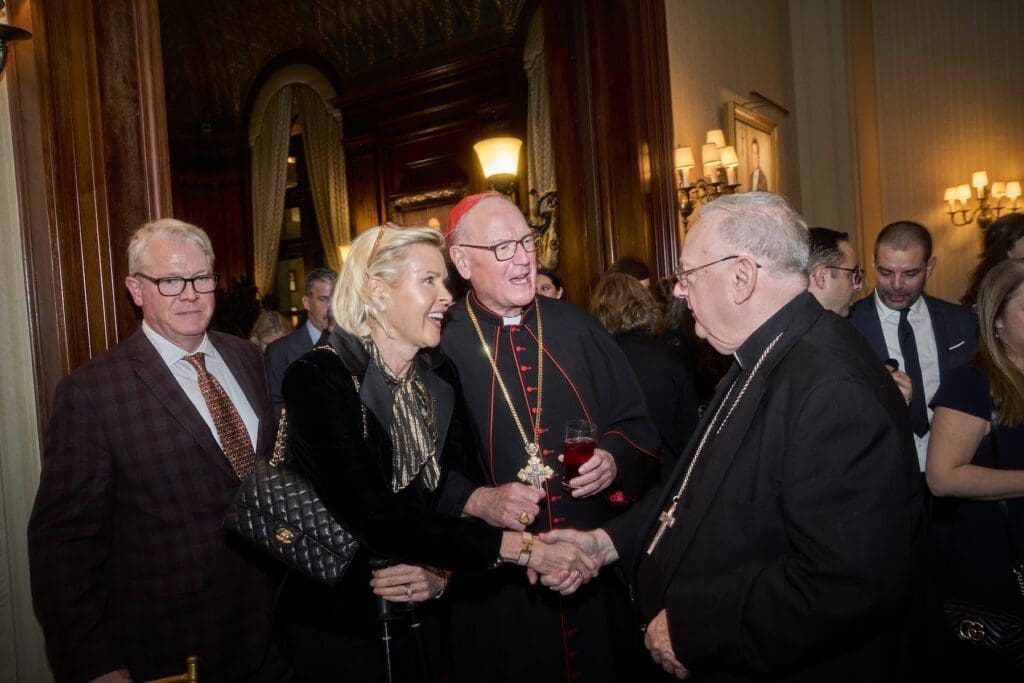
Among those he thanked was Cardinal Timothy M. Dolan, archbishop of New York and chair of the board of CNEWA. On behalf of the board, Cardinal Dolan welcomed all those in attendance and spoke of the importance of CNEWA’s mission.
“Every person in this room has tons of requests to help magnificent organizations,” he told them. He said as archbishop, he recognized “people who are extraordinarily generous in their parish, this archdiocese, to missions, the Holy Father … Catholic charities; you name it, they’re generous to it.”
But he said one reason CNEWA was so essential was its work “in ancient areas with tiny Christian flocks. Most of them are Eastern-rite Catholic” and trace their roots to the apostles.
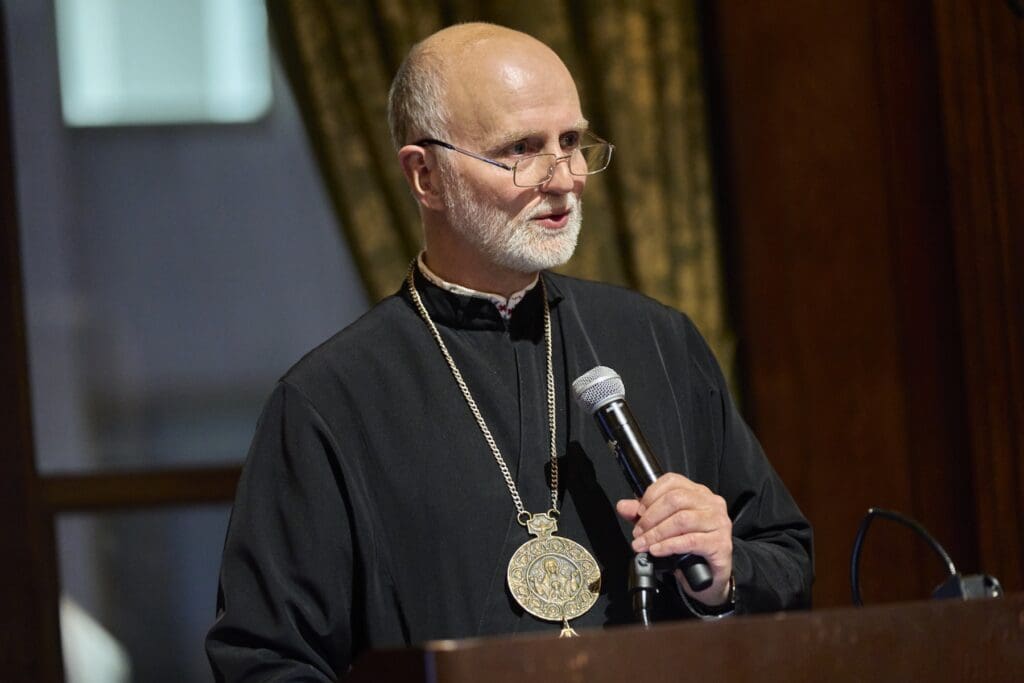
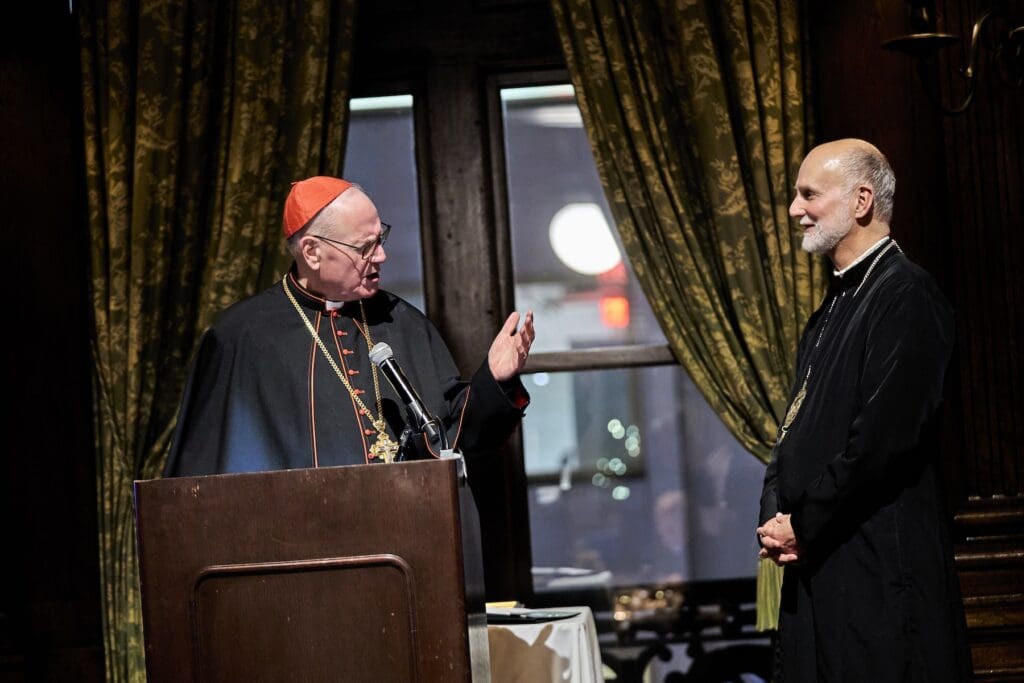
He introduced the guest of honor, Metropolitan Borys Gudziak, archbishop of the Ukrainian Greek Catholic Archeparchy of Philadelphia, who spoke of all the support CNEWA has given Ukraine. The archbishop also compared the Nativity story with the work CNEWA, saying God “does not remain theoretical. He becomes concrete, entering a specific family, culture, language and history. He steps into the real life, into poverty, displacing threat and uncertainty. He comes not to the ideal world, but to this sinful, broken world, not to a perfect moment, but to a difficult one. This concreteness is at the heart of the Incarnation. It shows us that love is not vague or general.
“Love shows up, bandages wounds, brings water, prepares a meal, carries someone across the street, keeps a room warm in winter. And this is where I see the profound spiritual depth of CNEWA’s vision and mission,” he said. “CNEWA’s projects do not deal in abstractions. They do not simply speak about compassion. They practice it. They reach concrete people with concrete needs: clean water, warmth, food education, medicine, pastoral care.”
“I want to assure you donors that your generosity with Ukraine, with Gaza, with the Holy Land, with missions in Israel, Egypt, Ethiopia, the Eastern Christians in India, Iraq, Syria, has a life-saving effect. Our brothers and sisters are literally going to sleep and not knowing whether they will wake up, but they are staying there, witnessing to the faith that God’s truth will prevail. In these difficult times, CNEWA and you are with us, standing beside us, helping wiping away tears.”