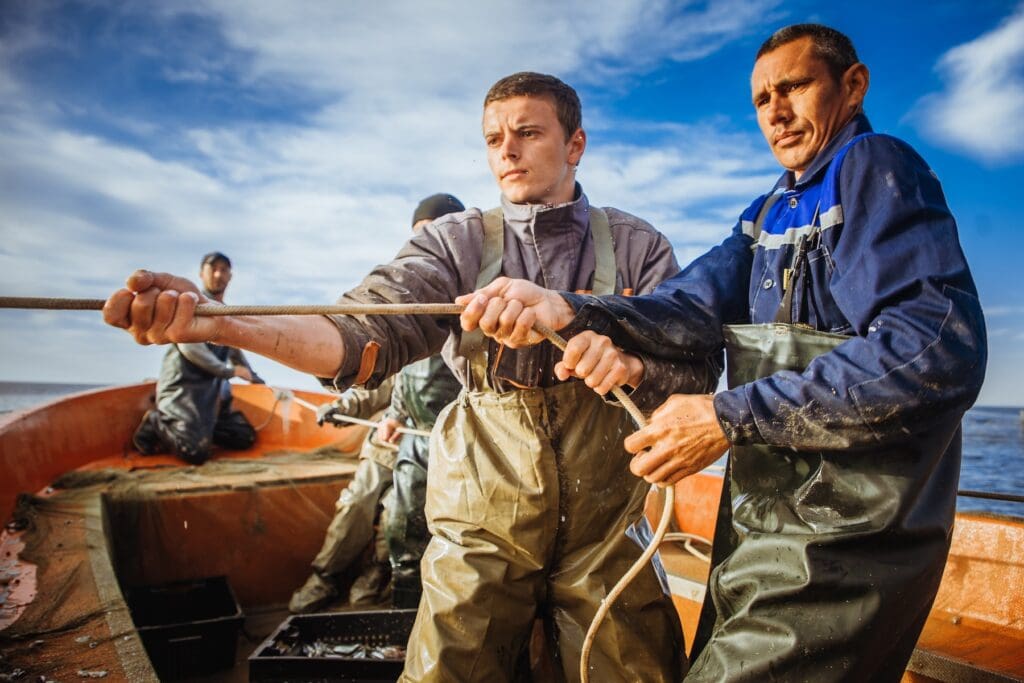
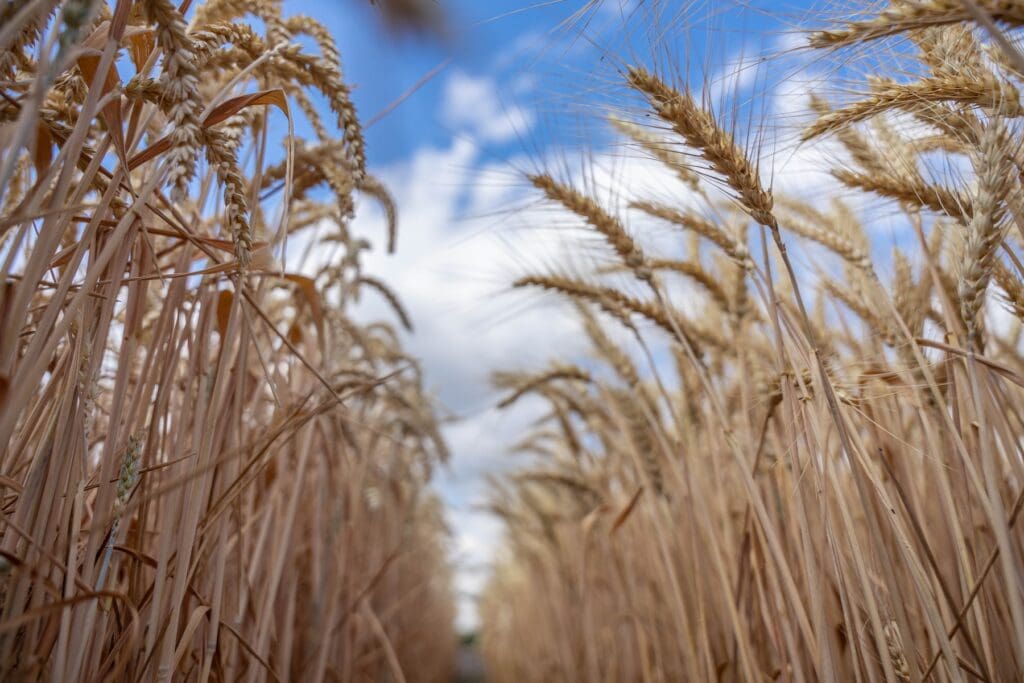
When Boris Chemanov was growing up in Klepaly, a village in Ukraine’s Sumy region near the Russian border, the Seym River was woven into everyday life. For generations, it had been at the heart of his family’s existence — a source of food and water that sustained gardens, cattle and a way of life.
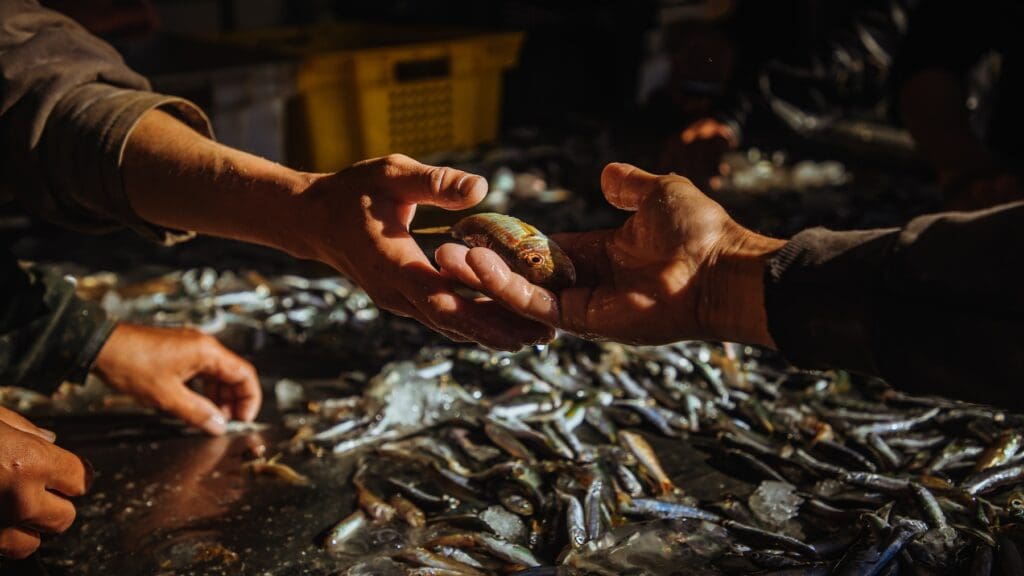
Then, in August 2024, thousands of tons of waste from a sugar factory in Russia were discharged into the Seym, sending a massive wave of pollution downstream into Ukraine. Ukrainian officials described the poisoning as another act of environmental warfare. Oxygen levels collapsed, fish died en masse and the water turned almost black.
“The river looked dead,” Mr. Chemanov recalls. “We thought it would not recover for five or even 10 years.”
Two years later, he says, the Seym is alive again. “Nature surprised all of us.”
Regional authorities say mortality of fish and other aquatic life approached 100 percent; more than 12 tons of dead fish were collected and buried. Environmental damage was estimated at about $1.5 billion.
Across Ukraine, environmental losses from Russia’s full-scale invasion have exceed $157 billion, with more than a quarter of the country’s ecosystems affected.
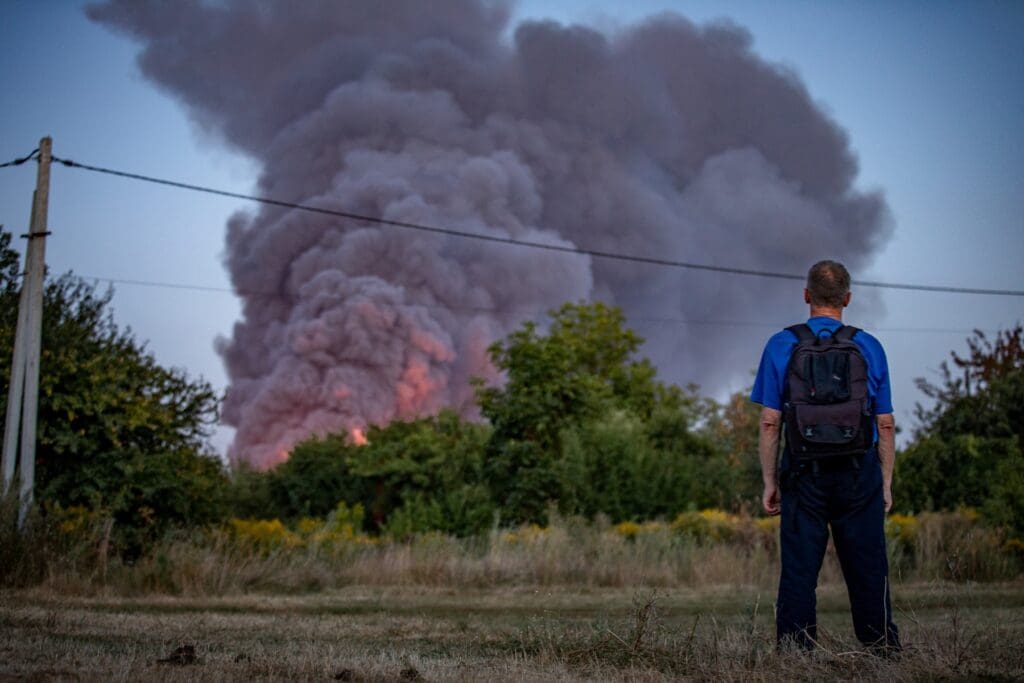
For Ukrainian environmentalists, the Seym is part of a broader pattern of wartime destruction. Ukrainian ecologist Oleksii Vasyliuk, head of the Ukrainian Nature Conservation Group, has spent years documenting acts of destruction capable of eliminating entire ecosystems and the conditions that sustain life, which he defines as ecocide.
He points to Russia’s destruction of the Kakhovka Dam in June 2023 as a clear example. The resulting flood covered roughly 230 square miles of Kherson region, while the draining of the reservoir exposed more than 386 square miles of its former bed. As the reservoir emptied, aquatic organisms were swept downstream; others living on its bottom were stranded on dry land. An influx of fresh water disrupted marine life in the Black Sea — much of it during breeding season.
On the exposed bed of the Kakhovka Reservoir, willow and poplar forests characteristic of the Dnipro River’s former floodplain have begun to regenerate naturally. In Mr. Vasyliuk’s view, their area might already exceed the total area of new forests planted across Europe over the past decade.
“Nature knows what to do,” he says.
This does not diminish the catastrophe. It raises another question: Must every altered landscape be reconstructed exactly as it was, or should natural recovery sometimes be allowed to take its course?
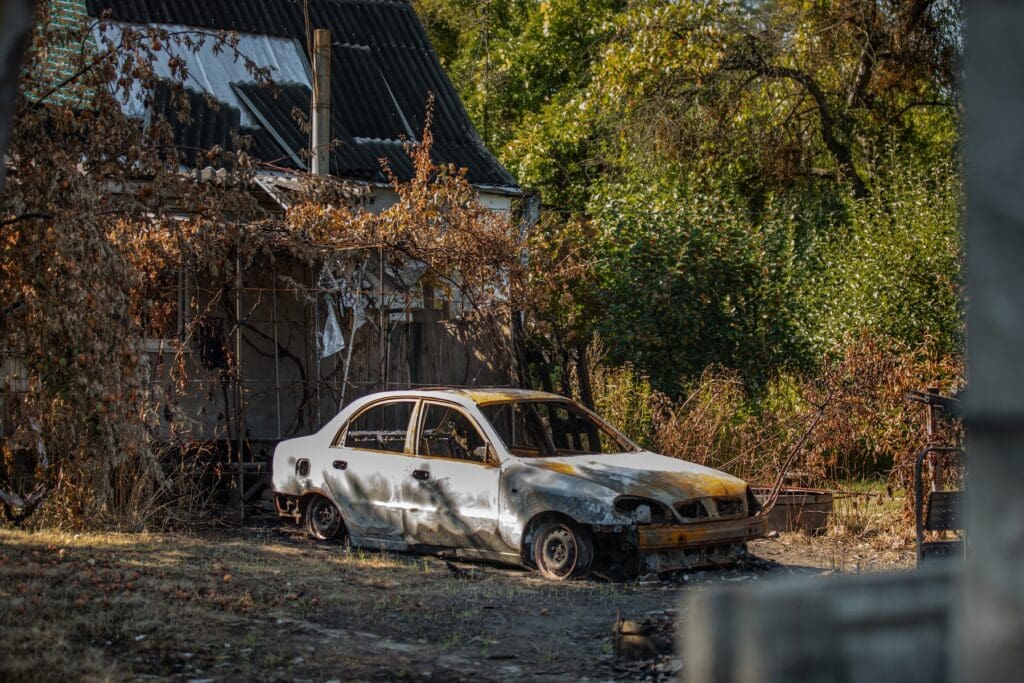
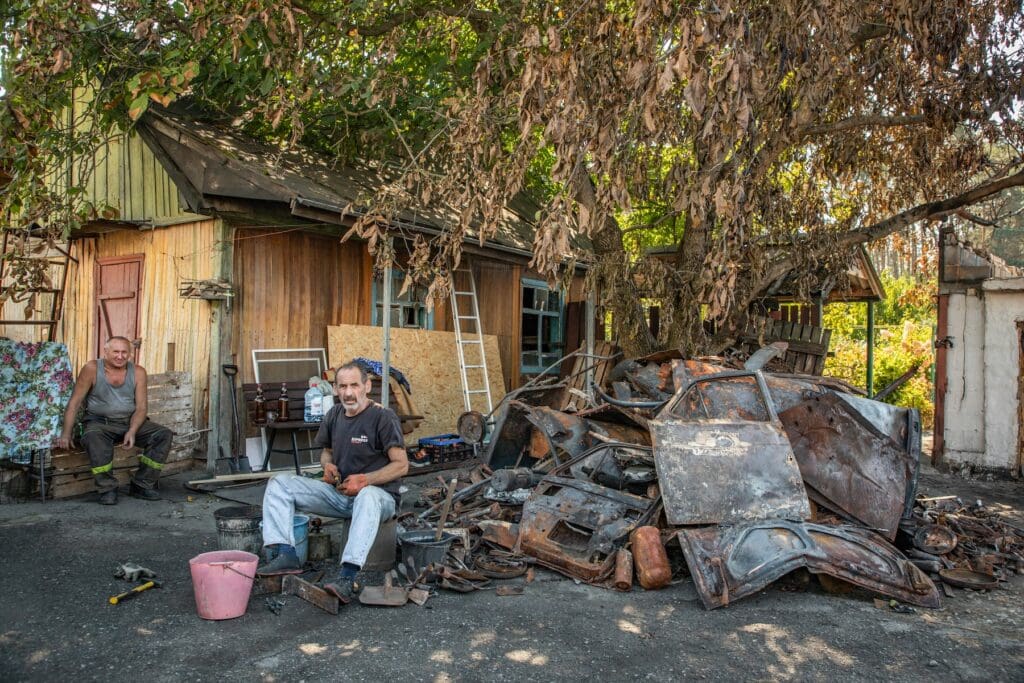
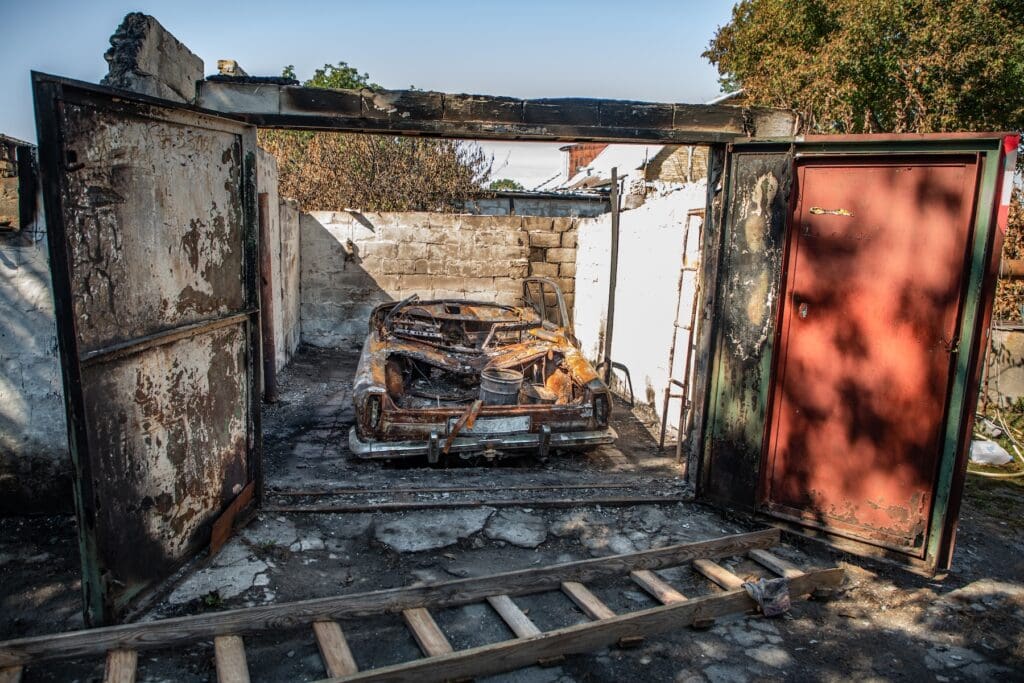
Some of the most dangerous damage may be invisible. Explosions, fires and destroyed industrial sites can leave toxic substances in soil and groundwater for years. Heavy metals do not simply break down: Lead remains lead, potentially lingering long after the fighting ends.
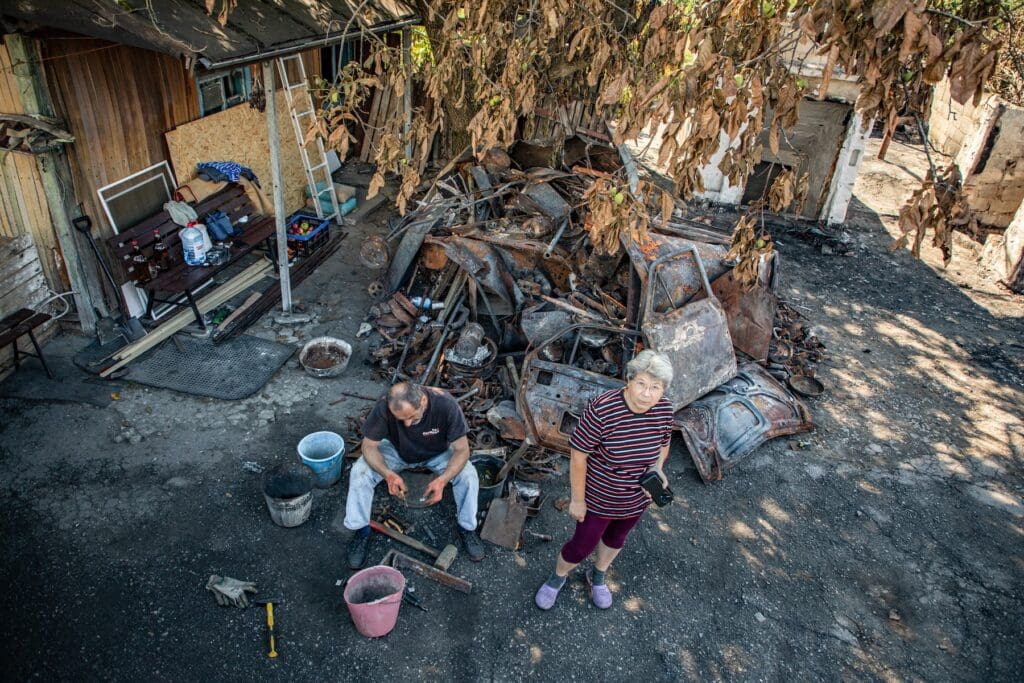
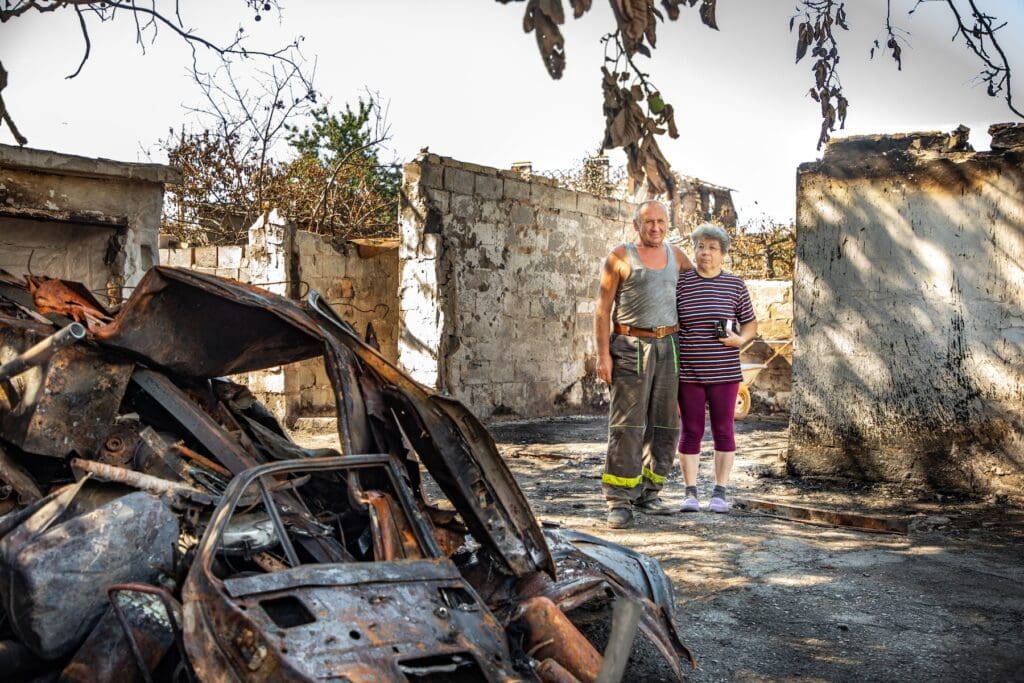
For years, farmer Yevhenii Vlasenko has worked to restore his soil through no-till farming. Since Russia’s full-scale invasion, around 10 drones and missiles have fallen on his fields, sometimes setting crop residue ablaze.
“What I had spent years protecting could be damaged in seconds,” he says.
Mr. Vlasenko has sent soil samples for analysis. A biolaboratory is studying whether biological treatments can restore soil fertility after explosions, which can leave heavy metals that may contaminate crops.
A house can be rebuilt while the land beneath it remains contaminated. Reconstruction does not necessarily mean recovery.
Nor does environmental damage respect borders. Air carries pollution, rivers carry contaminants, and the Black Sea connects several countries. Migratory birds wintering on Ukraine’s coast may breed in northern Europe or continue toward Africa.
“There can be no non-global environmental consequences,” Mr. Vasyliuk says.
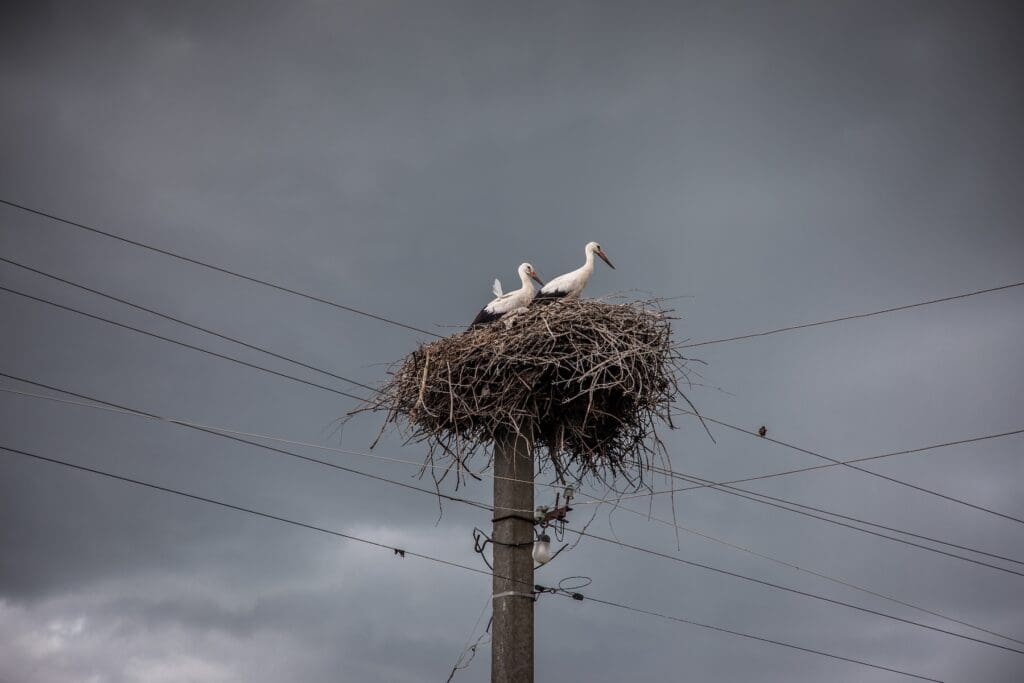
Along the front line, birds have been found weaving fiber-optic cables left by drones into their nests — another residue of war entering the natural environment.
For Volodymyr Sheremeta, head of the Bureau for Ecology of the Ukrainian Greek Catholic Church, this interconnectedness is also a matter of faith. The world, he says, is not simply humanity’s common home, but God’s creation, in which every creature has value, and harm to one part ultimately reaches others.
The image recalls St. Paul’s words in Romans about all creation “groaning” — a biblical metaphor made tangible by a war that has scarred Ukraine’s land, water and ecosystems. Mr. Sheremeta describes such destruction as “a sin against God’s creation,” as well as against people and future generations.
Ukrainian strikes on Russian oil refineries and fuel depots raise a difficult moral question: Can environmental harm be justified when the target sustains an aggressor’s war? Mr. Sheremeta says teachings about “just war” require weighing both intention and consequence. Ukraine has the right to defend human life, he argues, but remains obliged to minimize environmental harm whenever possible.
“If it is possible to achieve the same goal of self-defense and the preservation of life with fewer consequences for the environment, the ethical obligation is to choose that path,” Mr. Sheremeta says.
In the Zaporizhzhia region, the war and the loss of the Kakhovka Reservoir have deepened existing water shortages. With support from Caritas Norway and funding from Norad, the Norwegian Agency for Development Cooperation, Caritas Zaporizhzhia is restoring decentralized water supplies by repairing wells and water towers and installing filtration systems, including equipment for a children’s hospital dialysis unit. In communities that have absorbed large numbers of displaced people, safe water can determine whether families are able to stay and rebuild rather than move again.
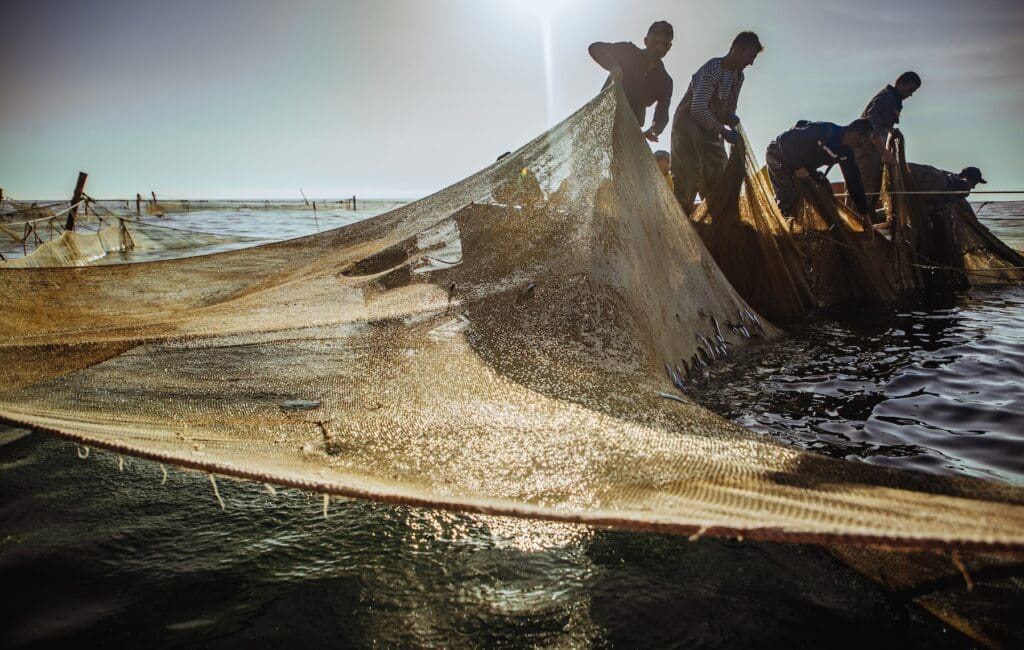
Mr. Sheremeta says reconstruction cannot stop with roads and buildings. Clean water, safe soil and a healthy environment are inseparable from the rights to life and health. Rebuilding outdated, environmentally harmful infrastructure in the name of speed, he warns, would only continue “violence against God’s creation” in another form.
Ukraine will have to rebuild what war has destroyed, but recovery, Mr. Sheremeta argues, cannot be measured only in reconstructed homes and infrastructure; it also must restore the living world on which those homes depend.
“The world is one integral organism in which everything is interconnected,” he says.